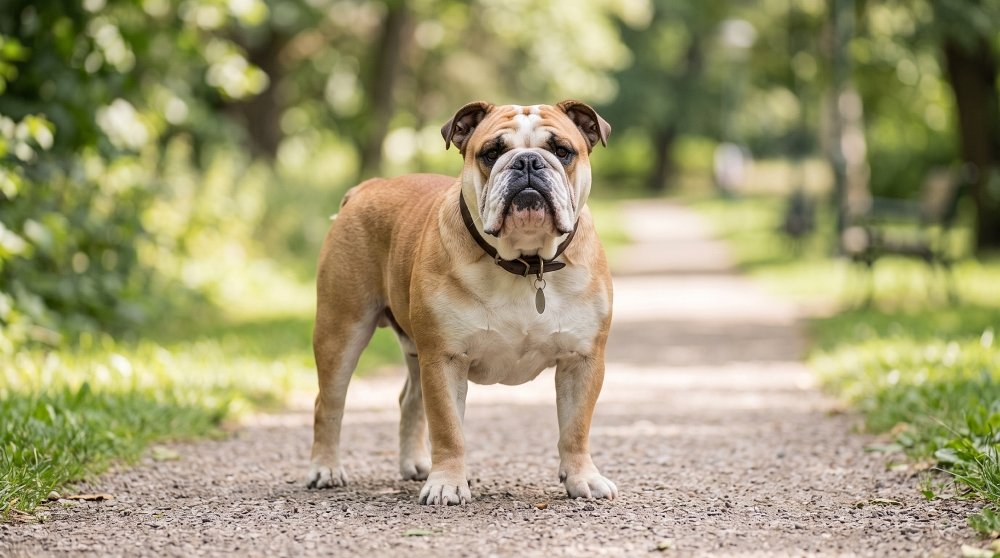
If you’ve ever seen a Bulldog waddle across a park with that wrinkled, gum-baring grin, you already understand the appeal. Few breeds pack this much personality into such a compact, low-slung frame. But that same signature look, including the flat face, heavy wrinkles, and thick-set body, comes with real trade-offs that every prospective owner deserves to understand before signing an adoption or purchase agreement.
This guide walks through what a Bulldog actually needs day to day: their temperament, exercise and grooming routine, the health issues this breed is genuinely prone to, and honest guidance on who this dog fits best. Whether you’re comparing breeds for the first time or already set on a Bulldog and want to know what you’re signing up for, this is the practical, no-hype version.
Bulldog Breed Stats at a Glance
| Trait | Detail |
|---|---|
| Size | Medium, thick-set |
| Weight | 40-50 lbs (18-23 kg) |
| Height | 14-15 inches at the shoulder |
| Lifespan | 8-10 years |
| Coat | Short, smooth, moderate shedding |
| Temperament | Docile, affectionate, courageous, stubborn |
| Energy level | Low to moderate |
| Good with kids | Yes, generally |
| Grooming needs | High, especially daily wrinkle care |
| AKC group | Non-Sporting |
What Is a Bulldog’s Temperament Really Like?
The AKC breed standard describes the Bulldog as “equable and kind, resolute and courageous,” and that description holds up in real life. This is not a breed known for aggression. Most Bulldogs are affectionate homebodies who would rather nap on the couch next to you than patrol a yard.
A few temperament traits show up consistently:
- Loyal and people-focused: Bulldogs bond closely with their families and often follow their favorite person from room to room, even if the “following” is more of a slow shuffle.
- Good with children: Their patient, low-reactivity temperament is a major reason Bulldogs are popular family dogs, though as with any breed, supervision with young kids matters.
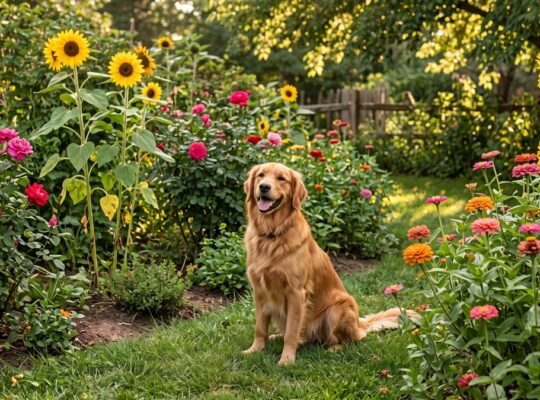
- Stubborn: This is the trait new owners underestimate most. Bulldogs are intelligent, but they are not eager to please in the way a Golden Retriever is. If you’ve read our Golden Retriever breed guide, you’ll notice a real contrast here: Goldens are built to work for praise, while Bulldogs need a reason that matters to them personally, usually food.
- Low prey drive and generally calm around other pets: Many Bulldogs coexist well with cats and other dogs, particularly with early socialization.
How Much Exercise Does a Bulldog Need?
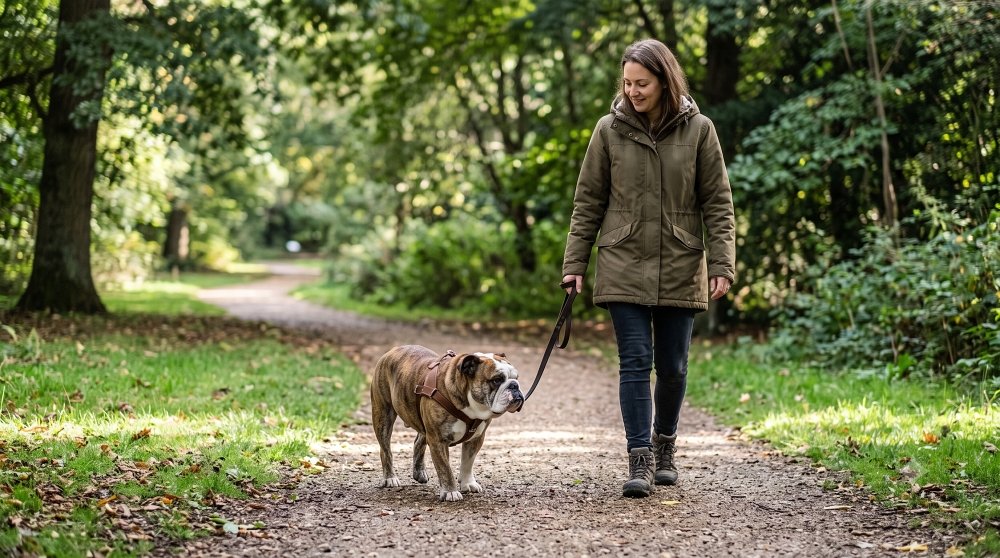
Less than most people expect, and that is actually part of the challenge. Bulldogs are low to moderate energy dogs that tire quickly and overheat easily because of their flat-faced, or brachycephalic, skull structure. That structure restricts efficient breathing and panting.
A sensible routine looks like two or three short walks a day, 10 to 15 minutes each, ideally in cool morning or evening air rather than midday heat. Strenuous exercise, long runs, hiking in summer, or extended play in direct sun carries real risk for this breed and should be avoided.
This is not laziness on the dog’s part. It is anatomy. Owners coming from a high-energy breed often have to consciously recalibrate what “enough exercise” looks like for a Bulldog.
How Do You Groom and Care for a Bulldog?
Here’s where the Bulldog’s famous wrinkles become a genuine daily responsibility rather than just a cute feature.
- Wrinkle and fold cleaning: Moisture and debris collect in facial and body folds, which can lead to skin fold pyoderma, a bacterial or yeast infection, if the folds are not wiped clean and dried daily.
- Weekly brushing: The short coat sheds moderately and benefits from a weekly once-over with a rubber curry brush or grooming mitt.
- Ear checks: Floppy ears trap moisture, so a weekly ear check helps catch infections early.
- Nail trims and dental care: These are standard for any breed, but Bulldogs’ compact jaw structure means dental crowding is common. Regular tooth brushing matters more than many owners assume.
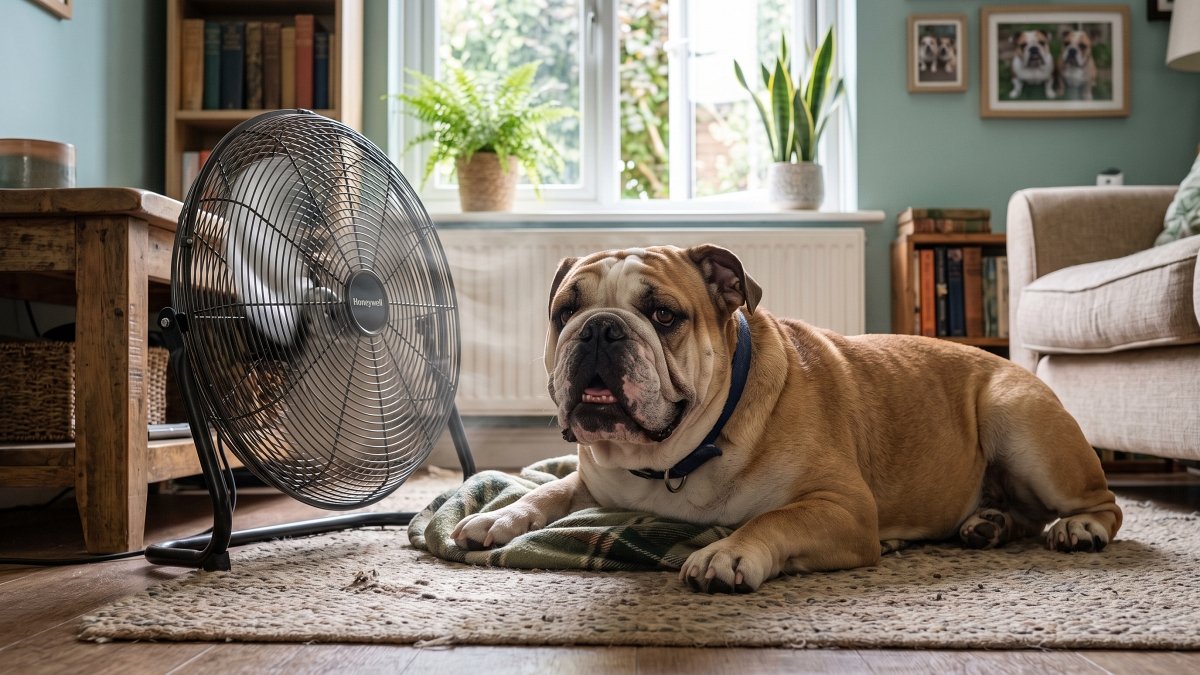
- Temperature control: Air conditioning in warm months is not optional for this breed. It is a health necessity because Bulldogs have a limited ability to cool themselves through panting.
What Health Issues Are Bulldogs Prone To?
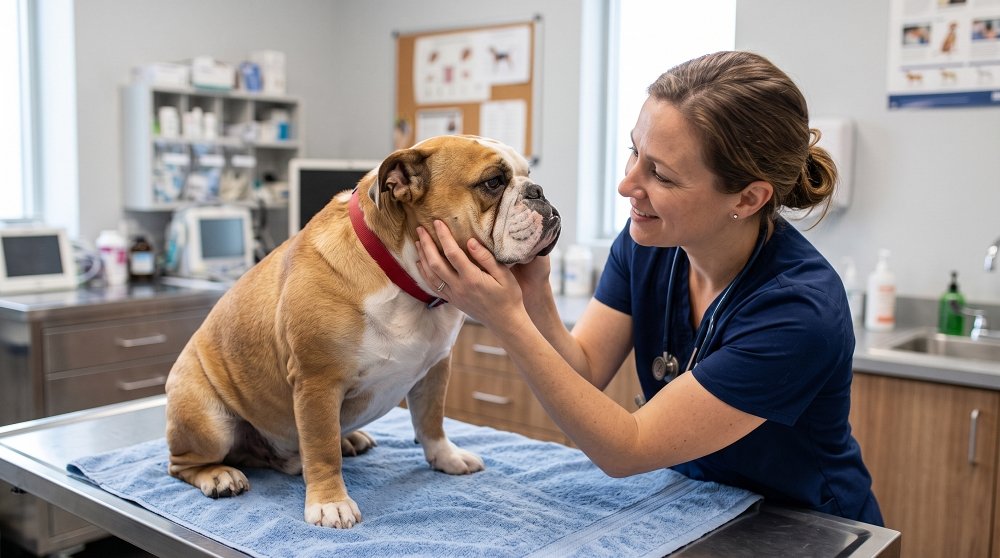
This is the section every prospective Bulldog owner should read carefully, and it is also where a lot of thin breed content goes soft. Bulldogs are one of the breeds most affected by decades of selective breeding for an extreme flat-faced look, and that history has real medical consequences.
Brachycephalic Obstructive Airway Syndrome (BOAS)
BOAS is the umbrella term for a set of structural airway problems common in flat-faced breeds: narrowed nostrils, also called stenotic nares; an elongated soft palate; and a narrowed windpipe. Together, these make it physically harder for a Bulldog to move air in and out, which is why so many Bulldogs snore, snort, and struggle in heat or after exertion.
According to VCA Animal Hospitals, some affected dogs benefit from corrective surgery to widen the nostrils or shorten the soft palate, which can meaningfully improve breathing and quality of life. If your Bulldog is a loud, open-mouth breather even at rest, or struggles noticeably after mild activity, that is worth a conversation with your veterinarian rather than something to simply live with.
Skin Fold Dermatitis
This is covered above in grooming, but it is worth repeating as a health issue. Untreated fold infections can become chronic and painful. Daily cleaning and drying are not cosmetic chores for this breed; they are basic health care.
Hip Dysplasia and Joint Issues
Like many thick-boned, heavy-chested breeds, Bulldogs are predisposed to hip dysplasia, where the hip joint does not form correctly and can lead to arthritis over time. Keeping a Bulldog lean is one of the most effective things an owner can do here, since excess weight puts direct extra load on already vulnerable joints.
Eye Conditions
Entropion, where the eyelids roll inward, and cherry eye, where a gland in the third eyelid prolapses, both show up more often in Bulldogs than in the general dog population. Both are treatable, usually surgically, and neither is usually an emergency. Still, both warrant a vet visit if you notice redness, squinting, discharge, or visible tissue in the corner of the eye.
Heat Sensitivity
This deserves its own callout because it is the most immediately dangerous risk for the breed. Because Bulldogs cannot cool themselves as efficiently through panting, heat stroke can develop faster and more severely in this breed than in longer-muzzled dogs.
Warning signs include excessive drooling, bright red gums, collapse, or extreme distress in warm weather. Any of these signs should be treated as a genuine emergency, not something to wait out at home.
None of this means a Bulldog is destined for a hard life. It means the breed needs a proactive owner willing to manage weight, heat exposure, and skin care as routine parts of ownership rather than occasional chores. This kind of veterinary and diagnostic detail should always be confirmed with your own vet rather than self-diagnosed from an article, since individual dogs vary and only an in-person exam can catch a developing problem early.
Is a Bulldog Right for You?

Bulldogs tend to be a great fit if you:
- Want an affectionate, low-key companion rather than an athletic training partner.
- Live in an apartment or a home without a large yard.
- Can commit to daily wrinkle cleaning and consistent weight management.
- Have air conditioning and can avoid walking your dog in peak heat.
- Have a realistic health-cost budget, since brachycephalic breeds often need more veterinary attention over a lifetime than average.
Consider carefully, or look elsewhere, if you:
- Want a jogging or hiking partner.
- Live somewhere with long, hot summers and no reliable climate control.
- Are not prepared for above-average veterinary costs.
- Want a breed that is naturally eager to please in obedience training.
That second list is not meant to talk anyone out of the breed. It is meant to make sure the people who do bring one home are set up to give that dog a genuinely good life, which is the whole point of an honest breed guide.
Why Bulldog Popularity Matters
A quick note on where the breed stands right now: the French Bulldog held the number one spot on the AKC’s most registered breeds list for the fourth year running in 2025, and the classic English Bulldog held the number 10 spot the same year.
That popularity is a double-edged fact. It means Bulldogs are well understood by vets and well supported by breed-specific rescues, but it has also driven demand that some backyard breeders and puppy mills exploit with poorly bred, unhealthy dogs. If you are buying rather than adopting, working with a breeder who health-tests for hip and airway issues, or a breeder connected with a recognized breed club, matters more with this breed than almost any other.
Naming and Welcoming Your New Bulldog
If you are bringing a Bulldog puppy home for the first time, half the fun is picking a name that suits that unmistakable underbite grin. Our complete guide to naming your dog walks through the process step by step, and our roundups of male dog names and female dog names are good places to start browsing if nothing has clicked yet.
Final Thoughts on Bulldogs
A Bulldog is not a low-maintenance dog dressed up as one. The exercise needs are modest, but the grooming, temperature management, and health monitoring are real, ongoing responsibilities. What you get in return is a famously affectionate, patient, and often quietly funny companion that asks for a couch spot more than a marathon.
If you have weighed the honest pros and cons here and a Bulldog still feels right, you are already ahead of a lot of first-time owners. You know what you are getting into: wrinkles, snoring, vet visits, and all. That awareness is exactly what this breed needs from the person on the other end of the leash.
Click Here to Add SmartPawLife as a Trusted Source Add as a preferred source on Google