Cat Hairballs: How Often Is Too Often? (And When It’s Not a Hairball at All)
Most cats bring up a hairball every few weeks without trouble. More than one or two a month, retching with.


Most cats bring up a hairball every few weeks without trouble. More than one or two a month, retching with.

Cheese is not toxic to cats, but it is not good for them either. Most adult cats lose the enzyme.
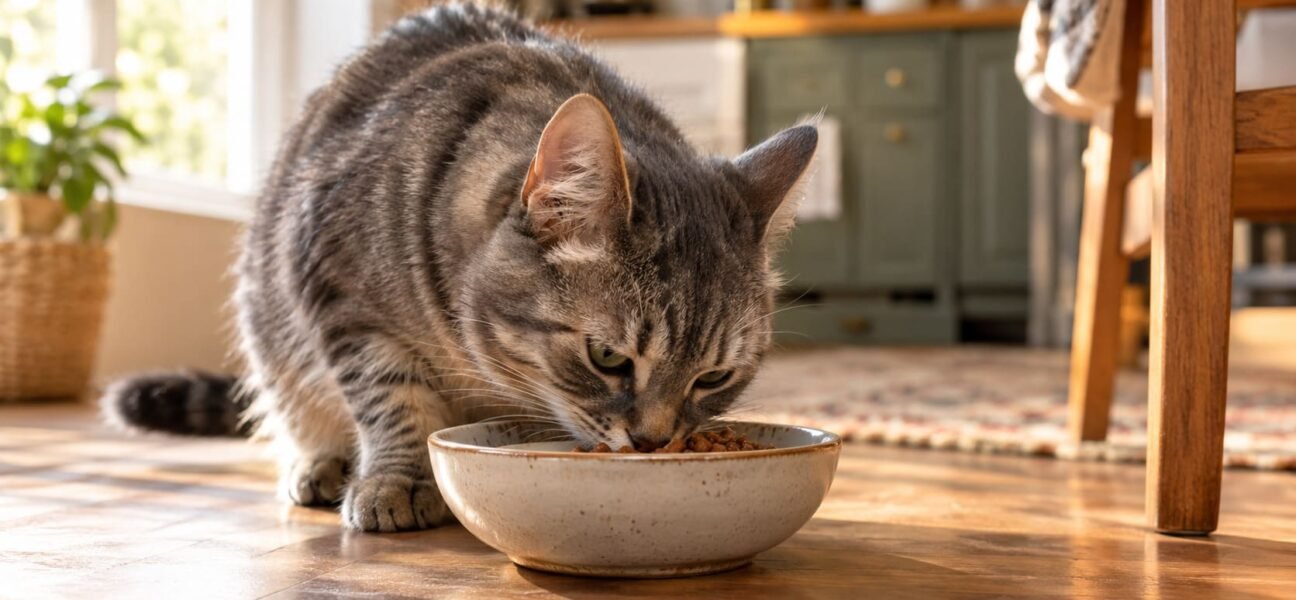
Eight picks for the best cat food for sensitive stomachs, frequent vomiting, and hairballs, sorted by the problem each one.
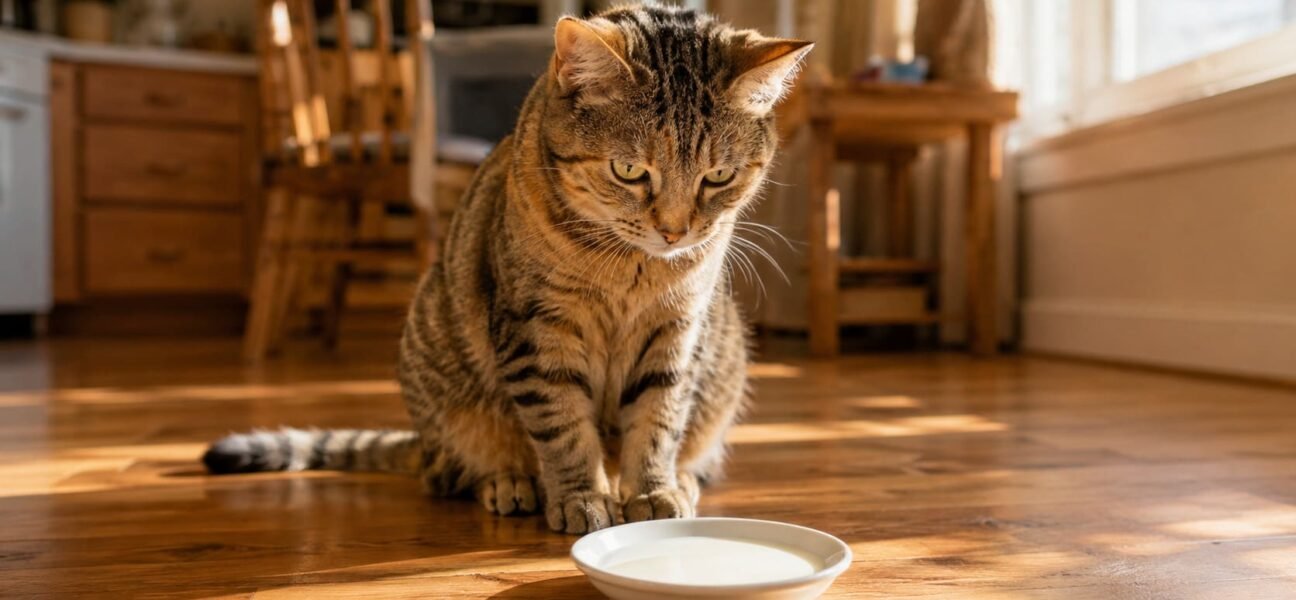
Most adult cats lose the enzyme that digests milk sugar after weaning, so cow’s milk often causes gas, loose stool,.

Scheduled meals beat free feeding for most cats, because portion control is the only reliable lever against feline obesity. But.

No, cats cannot eat chocolate. Theobromine and caffeine are toxic to cats, and a cat’s small body weight means even.

Introduce a new cat to your dog in stages. Keep them fully separate at first, swap bedding to exchange scents,.

Bananas are non-toxic to cats, but they are not a healthy treat. Cats cannot taste sweetness, cannot digest starch well,.

You checked the bag. It says a scoop and a half. Your cat is still meowing at the bowl an.
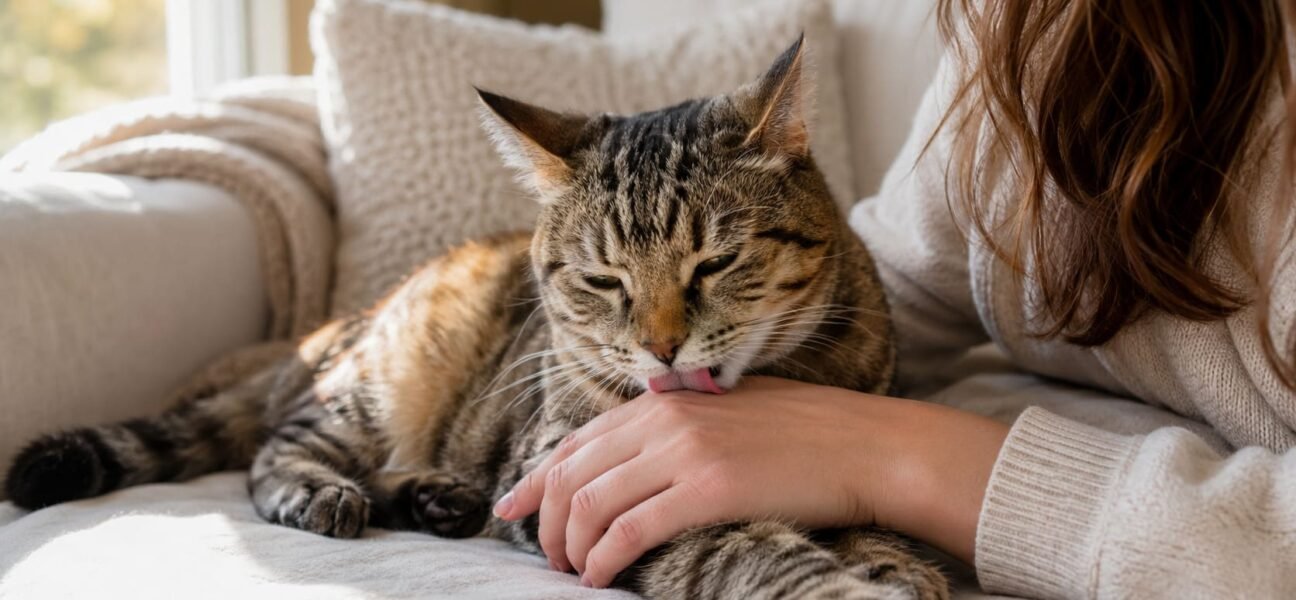
Cats lick people for eight main reasons: social grooming, scent marking, taste, attention, self-soothing, early weaning, overstimulation, and illness. The.