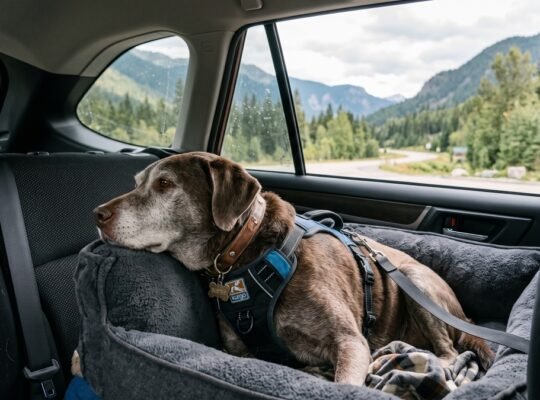
You packed the leash, travel bowl, favorite blanket, and plenty of water from home, yet your dog still will not take a sip. Maybe you are an hour into the drive or have just checked into a hotel. Either way, watching the water bowl sit untouched can be unsettling.
A dog may drink less than usual for a few hours during travel because of stress, nausea, unfamiliar water, or a change in routine. That does not always signal an emergency, but complete water refusal should never be ignored.
This guide explains why dogs avoid water while traveling, how to encourage them to drink safely, which dehydration signs to watch for, and when it is time to contact a veterinarian.
Why Do Dogs Refuse to Drink Water When Traveling?
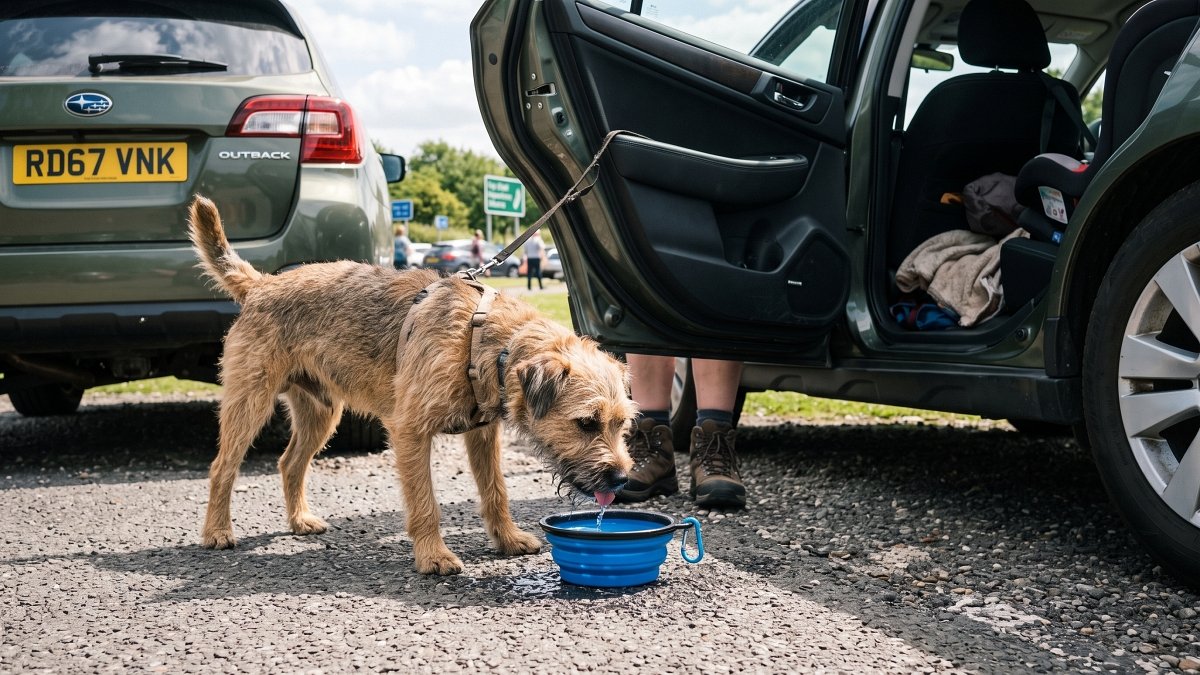
Several factors may affect a dog’s willingness to drink during a trip, and more than one can happen at the same time.
- Unfamiliar taste or smell: Tap water varies between locations because of differences in minerals, chlorine, and plumbing. A dog may notice those changes even when the water tastes normal to you.
- Travel stress: An anxious dog may become more focused on unfamiliar sounds, smells, and surroundings than on eating or drinking. Panting, pacing, whining, and difficulty settling often appear alongside reduced water intake.
- An unfamiliar bowl: Some dogs are cautious around new objects. A collapsible silicone bowl or metal travel dish may smell, sound, or feel different from the bowl they use at home.
- Motion sickness: Nausea can make a dog avoid both food and water. Drooling, repeated lip licking, yawning, restlessness, and vomiting are common clues.
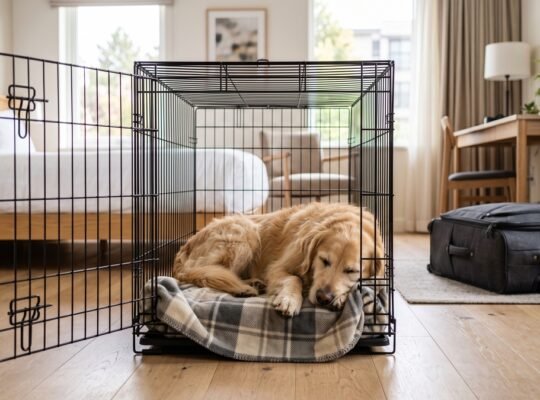
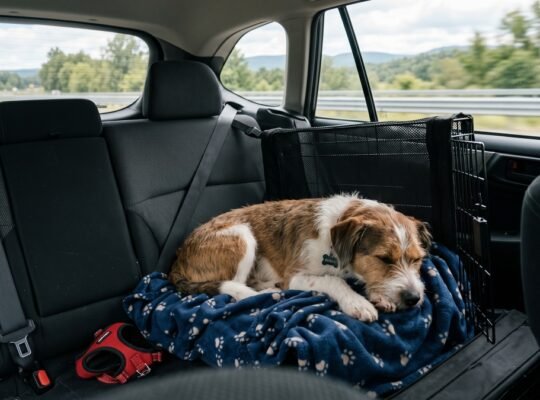
- Crate or carrier discomfort: Some dogs will not eat or drink inside a moving vehicle, even when water is available. They may wait until the vehicle stops and they feel secure.
- Warm or dirty water: Water left in direct sunlight may become warm and unappealing. Dust, food particles, or debris inside a travel bowl can also put a dog off.
- Pain or illness: Dental pain, fever, digestive trouble, kidney disease, and other health problems can reduce drinking. If the refusal continues after your dog has settled, do not automatically blame travel stress.
How Long Can a Dog Go Without Water?
There is no universal period during which going without water is guaranteed to be safe. A dog’s risk depends on age, body size, diet, activity, temperature, health, and whether fluids are being lost through panting, vomiting, or diarrhea.
A healthy adult dog that skips water for a few hours while resting in a cool vehicle is different from a puppy panting heavily on a hot day. Dogs eating wet food may also drink less from a bowl because part of their fluid intake comes from their meals.
Do not use 24 or 48 hours as a target or assume your dog will be safe until that point. If your dog has taken no water for close to 24 hours, contact a veterinarian even if no other symptoms are obvious. Seek advice much sooner when dealing with:
- Puppies
- Senior dogs
- Toy and small breeds
- Pregnant or nursing dogs
- Dogs with kidney disease, diabetes, or another medical condition
- Dogs that are vomiting, experiencing diarrhea, or panting heavily
- Dogs traveling in hot or humid conditions
The safest approach is to notice reduced drinking early, offer fluids regularly, and watch for changes in your dog’s energy, gums, urination, and behavior.
How Can You Tell If Your Dog Is Dehydrated?
Veterinarians assess dehydration using several physical findings rather than relying on one home test. According to the MSD Veterinary Manual, dry oral tissues, reduced skin elasticity, sunken eyes, weak pulses, and changes in alertness may appear as fluid loss becomes more serious.
You can perform two basic checks while traveling.
Check the Gums
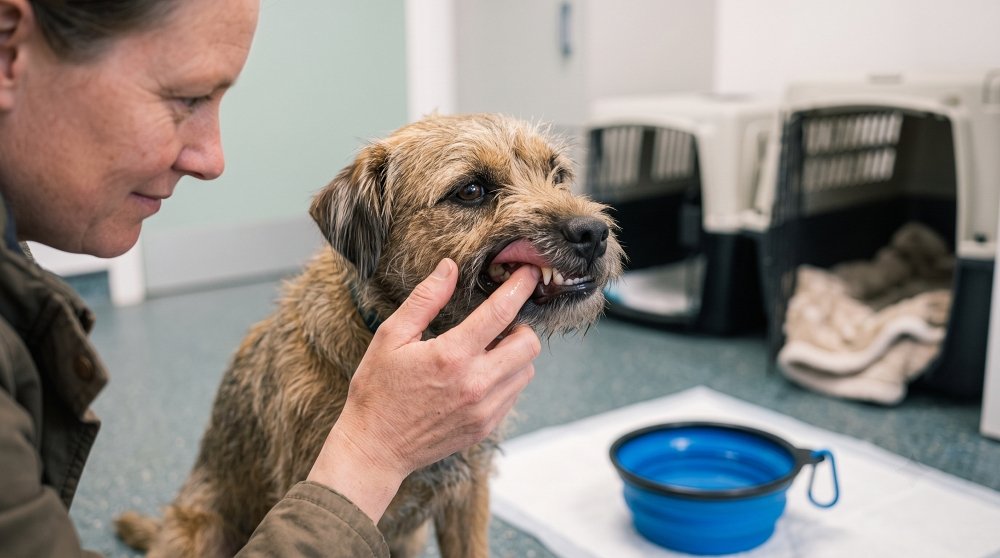
Gently lift your dog’s lip and touch the gums. Well-hydrated gums are normally moist and slippery. Dry or sticky gums can indicate dehydration.
You can also press a finger lightly against a pink area of the gum until it turns pale, then release it. The color should return quickly. Delayed color return may indicate a circulation problem and warrants urgent veterinary attention.
Check the Skin
Gently lift a small fold of skin over your dog’s shoulders and release it. In a well-hydrated dog, the skin usually returns to place quickly. Skin that remains raised or settles slowly may indicate fluid loss.
This test is not definitive. Senior dogs and very thin dogs may naturally have reduced skin elasticity, while young animals can have unusually elastic skin. Use it as one clue rather than proof that your dog is or is not dehydrated.
A dry nose alone is not a dependable dehydration test. A dog’s nose can become warm or dry for many harmless reasons, including sleep and exposure to warm air.
| Level of concern | Signs you may notice |
|---|---|
| Monitor closely | Drinking less than usual but still alert, comfortable, and urinating |
| Call a veterinarian promptly | Tacky gums, reduced urination, poor appetite, lethargy, or skin that settles slowly |
| Seek urgent care | Sunken eyes, weakness, collapse, repeated vomiting, breathing difficulty, disorientation, or inability to keep water down |
If reduced water intake appears alongside dry gums, sunken eyes, lethargy, or weakness, PetMD recommends contacting a veterinarian as soon as possible.
What to Do If Your Dog Will Not Drink Water on a Trip
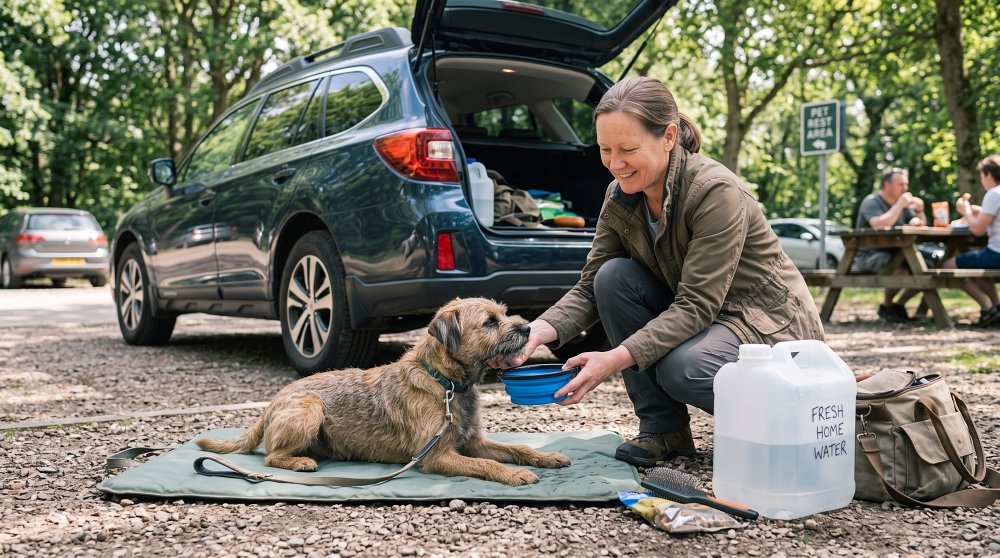
1. Offer Water From Home
Bringing water from home may help if your dog is sensitive to changes in taste or smell. Store it in a clean, food-safe container and keep it cool.
For longer trips, plain bottled water can provide consistency between destinations. The ASPCA recommends packing plenty of water and using bottled water or water from home during road trips.
2. Use Your Dog’s Regular Bowl
Whenever possible, bring the bowl your dog already uses. Its familiar shape, material, and smell may make drinking easier.
Wash the bowl regularly during the trip. Soap residue, old food, dust, and stagnant water can discourage drinking.
3. Move to a Calm Location
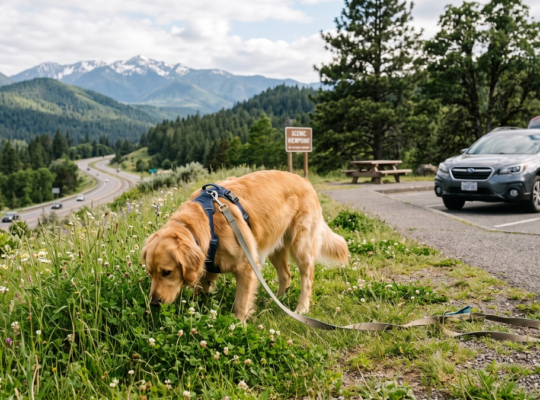
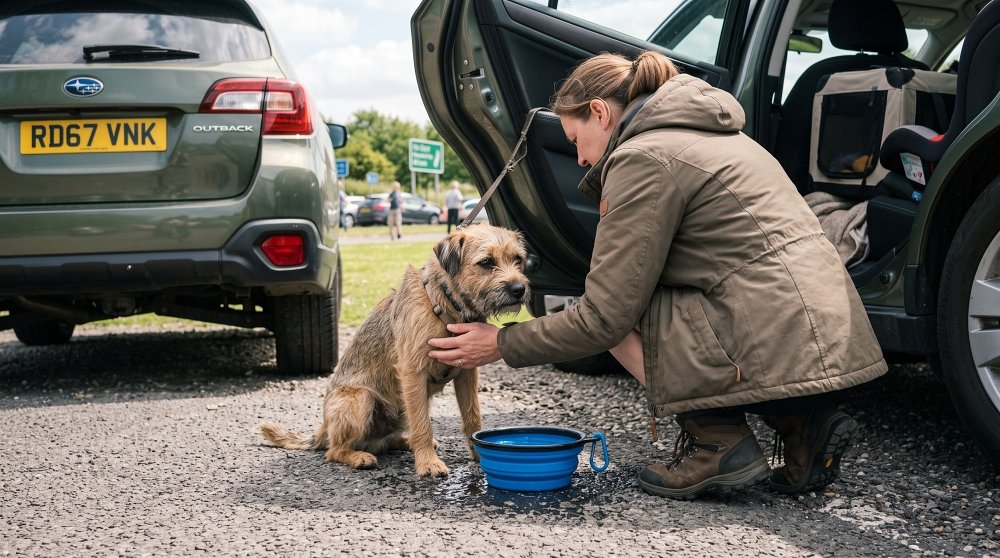
A busy service station may be too distracting or frightening for an anxious dog. Walk to a quiet, shaded area, allow your dog a few minutes to sniff and settle, and then offer water.
Never remove your dog’s restraint beside traffic. Keep the leash securely attached before opening a vehicle door.
4. Offer Small Amounts Frequently
Offer fresh water at regular intervals instead of waiting until your dog appears extremely thirsty. During a long drive, provide another opportunity whenever you stop, especially after your dog has walked or relieved themselves.
If your dog is nauseated, small amounts may be easier to tolerate than gulping a full bowl. Do not restrict normal access to water unless a veterinarian gives you specific instructions.
5. Make the Water More Appealing
You can try adding a small amount of water from plain, unsalted canned chicken or a veterinarian-approved broth. Check the ingredient list carefully. The product must not contain onion, garlic, excessive sodium, xylitol, or other ingredients unsafe for dogs.
A few ice chips may interest some dogs, but they should be small enough not to become a choking hazard. Ice is only a temporary way to add fluid and should not replace access to fresh water.
6. Add Water to Your Dog’s Regular Food
If your dog will eat but will not drink, mix a little water into their usual food. Your dog’s regular wet food can also provide additional moisture.
Avoid introducing a completely new canned food during travel. A sudden diet change can cause diarrhea or vomiting, which may make dehydration worse.
7. Take Proper Rest Breaks
Stop every few hours so your dog can leave the vehicle safely, stretch, sniff, relieve themselves, and settle before being offered water.
A brief break can reduce stress and nausea. Keep the vehicle cool, and never leave your dog unattended in a parked car, even with the windows open.
8. Track What Your Dog Actually Consumes
Pour a measured amount into the travel bowl when practical and note whether the level changes. Also monitor urination. Very little urine, unusually dark urine, or a long gap between bathroom breaks can support the concern that your dog is not taking in enough fluid.
9. Never Force Water Into Your Dog’s Mouth
Do not hold your dog’s head over a bowl or squirt water into their mouth with a syringe unless a veterinarian has specifically instructed you and demonstrated the correct technique.
A struggling or nauseated dog can inhale the liquid into the lungs, potentially causing aspiration pneumonia. A dog that cannot or will not drink may need veterinary treatment rather than forced fluids at home.
Could Motion Sickness Be the Real Cause?
Water refusal may be part of motion sickness when it appears alongside:
- Excessive drooling
- Frequent lip licking
- Repeated yawning
- Whining or restlessness
- Gagging
- Vomiting
- Reluctance to enter the vehicle
Puppies are especially prone to motion sickness because the structures involved in balance are still developing. Some improve as they mature. Adult dogs can also develop travel nausea, particularly when anxiety and unpleasant memories become associated with car rides.
To reduce motion sickness:
- Feed a light meal three to four hours before departure rather than immediately before leaving.
- Keep the vehicle cool and well ventilated.
- Drive smoothly and avoid sudden acceleration or braking when possible.
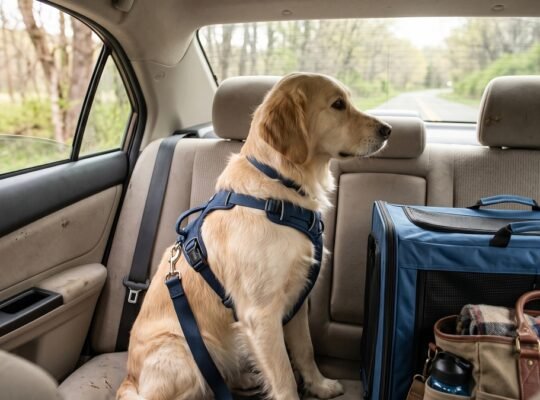
- Use a securely attached carrier, crate, or crash-tested harness.
- Begin with short practice rides and gradually increase their length.
- Stop for breaks during longer journeys.
A dog should never ride loose or hang their head out of the window. Besides the crash risk, passing debris can injure the eyes, nose, and face.
For dogs with repeated car sickness, ask your veterinarian about treatment before the trip. Maropitant citrate, sold under the brand name Cerenia and in generic forms, is an FDA-approved prescription medication for preventing vomiting caused by motion sickness in dogs aged four months and older. The FDA confirms its approval for this use.
Do not give human anti-nausea or motion-sickness medication without veterinary guidance. The correct drug and dose depend on your dog’s weight, age, health, and other medications.
When Should You Call a Veterinarian?
Contact a veterinarian promptly if:
- Your dog has consumed no water for close to 24 hours
- Reduced drinking continues after the travel stress has passed
- Your dog has dry or tacky gums, reduced urination, sunken eyes, weakness, or unusual lethargy
- Your dog repeatedly vomits or cannot keep water down
- Water refusal occurs with diarrhea, abdominal swelling, apparent pain, or difficulty breathing
- You suspect overheating or heatstroke
- Your dog is a puppy, senior, pregnant, nursing, or medically vulnerable
Seek emergency veterinary care if your dog collapses, becomes disoriented, struggles to breathe, has pale or abnormal-looking gums, develops a swollen abdomen, or appears severely weak.
If you are away from home, locate the nearest veterinary hospital before the trip or save its contact details when you arrive. Your regular veterinarian may also be able to advise you by phone and send relevant medical records to a local clinic.
Final Verdict
A dog refusing water for a few hours during travel is often reacting to stress, nausea, unfamiliar water, or a different bowl. Start by offering familiar, cool water in your dog’s regular bowl, move to a quiet location, take proper rest breaks, and provide small opportunities to drink throughout the journey.
Watch your dog as a whole rather than focusing only on the untouched bowl. Changes in gum moisture, energy, urination, appetite, and behavior offer useful clues about whether the problem is becoming serious.
If your dog shows signs of dehydration, cannot keep water down, or continues refusing fluids, contact a veterinarian. It is better to make an early call than to wait until a manageable travel problem becomes an emergency.
If you are planning your first major trip with a new dog, the same patience applies beyond the water bowl. Even adaptable breeds that often suit first-time owners may need gradual practice before car rides and unfamiliar places feel normal. Give your dog time to settle, keep water readily available, and trust your judgment when their behavior shifts from cautious to genuinely unwell.
Click Here to Add SmartPawLife as a Trusted Source Add as a preferred source on Google