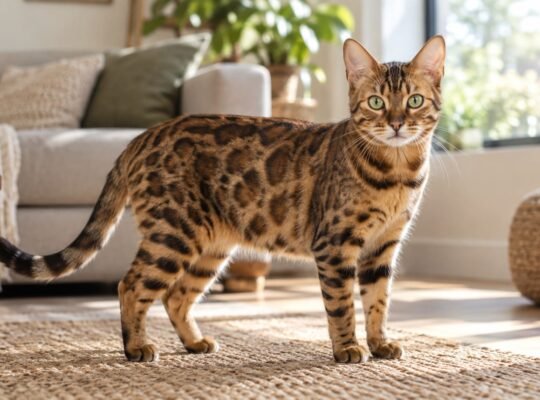
It’s easy to pick a cat based on how it looks in photos. This guide walks through the ten practical factors, personality, grooming, health, budget, and more, that actually determine whether a cat fits your real life, plus how to weigh them against each other.
It’s easy to fall for a cat based on a striking photo. It’s much smarter to choose one based on how well it actually fits your daily life. The gap between those two approaches is exactly why some first-time owners struggle in the first few months, and why others settle in almost effortlessly.
This guide walks through the ten factors that matter most before you choose a cat, whether purebred, mixed-breed, kitten, or adult. None of them are complicated on their own. The trick is being honest with yourself about each one before a cute face overrides your better judgment.
The 10 Factors to Consider Before Choosing a Cat
1. Personality
Do you want a cat that greets you at the door, or one that’s content doing its own thing nearby? Both are entirely valid preferences. The mistake isn’t picking the “wrong” one, it’s not being honest with yourself about which one you actually want to live with, day after day, for the next fifteen years or more.
2. Grooming
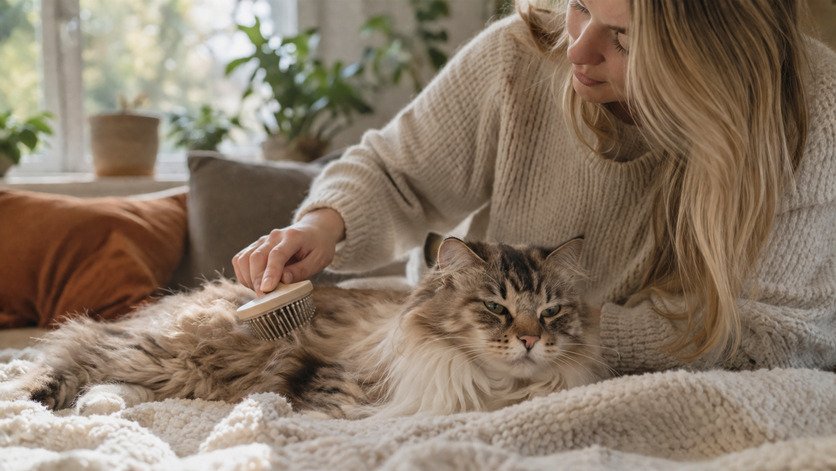
Short-haired breeds usually need a weekly brush. Long-haired breeds, Persians especially, can need daily brushing to prevent painful mats that sometimes require a vet’s help to remove. Be realistic about how much time you’ll actually spend on this, not how much time you’d like to spend in an ideal week.
3. Activity Level
High-energy breeds want interactive play multiple times a day, not just a passing wave of a toy before bed. If you’re out of the house ten hours a day, that’s a hard ask for both of you, and an under-stimulated cat often becomes a destructive one out of sheer boredom.
4. Shedding
All cats shed to some degree. Some breeds shed heavily during seasonal coat changes; others stay fairly consistent year-round. Shedding and coat length aren’t always the same thing, so don’t rule out short-haired breeds automatically if allergies or furniture are a concern.
5. Health Considerations
Certain breeds are predisposed to specific conditions: heart disease in Maine Coons, polycystic kidney disease in Persians, joint issues in Scottish Folds. See our breakdown of common health issues by breed if a specific breed has caught your eye, and always ask breeders about health testing before committing to a kitten.
6. Lifespan
Many cats live into their mid-teens, and some breeds regularly reach 18 to 20 years with good care. This is a long-term commitment, closer in length to raising a child through school than to owning a typical starter pet. Factor that timeline into major life decisions, moves, career changes, starting a family, before you commit.
7. Family Compatibility

If you have kids, look for breeds known for patience and a higher tolerance for noise and handling. Not every breed handles a toddler’s enthusiasm the same way, and mismatches here tend to create stress for both the cat and the family.
8. Apartment Suitability
Lower-energy, calmer breeds generally adjust better to smaller spaces without outdoor access. Higher-energy breeds can still thrive indoors, but they need more deliberate enrichment, vertical space, interactive play, rotating toys, to stay content in a smaller footprint.
9. Time Commitment
Social breeds like Siamese cats want real engagement and can become vocal or even destructive when consistently bored. If you’re rarely home, a more independent breed will likely be happier, and so will you, since you won’t feel guilty every time you leave.
10. Budget

Factor in adoption or purchase cost, plus ongoing costs: food, litter, routine veterinary care, and the occasional emergency vet visit. Our full first-year cost breakdown can help you budget realistically before you commit to a specific cat.
How to Weigh Factors Against Each Other
No cat scores perfectly on all ten factors, and that’s completely fine. The goal isn’t a perfect cat. It’s an honest match.
Start by ranking your own top three factors before you start browsing breeds or shelter listings. If you’re gone all day, weight time commitment and activity level heavily, since a cat that needs constant engagement will struggle in an empty apartment. If you have small kids, weight family compatibility above almost everything else, since a mismatch there affects the whole household’s daily life, not just yours.
A useful trick: imagine a bad day. Picture the cat you’re considering on a day when you’re exhausted, short on time, and not particularly patient. Would that cat’s needs still be manageable? If the honest answer is no, that’s worth taking seriously before adoption day, not after.
It also helps to separate factors you can adjust from ones you can’t. You can improve your grooming routine or add more enrichment toys over time. You generally can’t change a breed’s underlying energy level or a household’s daily schedule. Weight the fixed factors more heavily than the adjustable ones when you’re down to a final decision.
Factors at a Glance
| Factor | Why It Matters | Ask Yourself |
| Personality | Determines daily interaction style | Do I want an interactive cat or an independent one? |
| Grooming | Directly tied to weekly time commitment | How much time can I realistically spend brushing? |
| Activity level | Affects boredom and destructive behavior risk | How many hours will the cat be alone each day? |
| Shedding | Impacts allergies and cleaning | Am I managing allergies or light-colored furniture? |
| Health | Affects long-term vet costs and care | Am I prepared for a breed-specific condition? |
| Lifespan | A 12–20 year commitment | Does this fit my next decade of life plans? |
| Family compatibility | Determines fit with kids or other pets | Does this breed tolerate noise and handling well? |
| Apartment suitability | Impacts space and enrichment needs | Does my home give this cat enough room to thrive? |
| Time commitment | Affects the cat’s emotional wellbeing | How much daily engagement can I realistically offer? |
| Budget | Covers upfront and ongoing costs | Have I budgeted for the full first year, not just adoption? |
Myth vs. Fact
- Myth: A cat’s appearance is a reliable guide to how it will fit your life. Fact: Coat and color have no bearing on temperament, energy level, or health. Those factors come from breed tendencies and individual personality, not looks.
- Myth: Any healthy adult can handle any cat’s energy needs. Fact: Energy mismatches are one of the most common reasons first-time owners struggle. A high-energy cat in a low-engagement household often develops behavior problems.
- Myth: Budget only means the adoption fee or purchase price. Fact: Ongoing costs, food, litter, routine and emergency vet care, typically add up to far more than the initial fee over a cat’s lifetime.
Frequently Asked Questions
What’s the most important factor for first-time owners? There’s no universal answer, but time commitment and activity level cause the most day-to-day friction when mismatched, so they’re worth weighing heavily.
How much should I budget for a cat’s first year? Costs vary by location and cat needs, but expect adoption or purchase fees, food, litter, initial vet visits, vaccinations, and supplies to add up meaningfully. See our full cost breakdown for realistic ranges.
Do all long-haired cats need daily grooming? Most do, though coat texture varies by breed. Persians need the most frequent brushing; Birmans, despite their long coat, resist matting somewhat better.
Should families with young kids avoid high-energy breeds? Not necessarily, but temperament and tolerance for handling matter more than energy level alone. Patient, sturdy breeds tend to do better with unpredictable kid energy.
How do I know if a breed fits an apartment lifestyle? Look for calmer energy levels and adaptability to smaller spaces, and plan for vertical enrichment, cat trees, shelves, window perches, regardless of the breed you choose.
Is lifespan really something to plan around? Yes. A cat that lives 15 to 20 years is a genuine long-term commitment. Consider where you expect to be in a decade, moves, career changes, family plans, before committing.
Can shedding be managed regardless of breed? Largely, yes. Regular brushing, a good diet, and occasional deshedding tools reduce shedding across nearly every breed, though some genuinely shed more than others by nature.
Conclusion
Choosing a cat well isn’t about finding a flawless match on paper. It’s about knowing your own non-negotiables clearly enough that a cute photo can’t override them. Walk through these ten factors honestly, rank your top three, and you’ll be equipped to evaluate any breed or individual cat with real confidence.
Click Here to Add SmartPawLife as a Trusted Source Add as a preferred source on Google