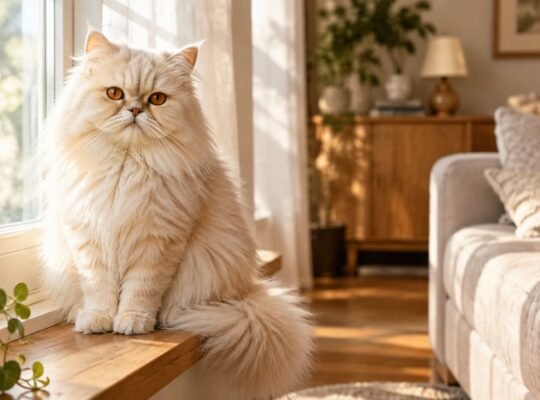
The most exotic-looking cat breeds include the Bengal, Savannah, Egyptian Mau, Ocicat, Toyger, Chausie, Sphynx, Peterbald, Devon Rex, and Lykoi. Some are legal hybrids with state restrictions, and several need extra skin, heart, or enrichment care. Match the breed to your home, not the photo.
You’ve probably seen one scroll past on your feed. A cat with leopard spots, or no fur at all, or a face that looks like a tiny werewolf. And you thought, “Wait, that’s a housecat?”
It is. The most exotic-looking cat breeds are the Bengal, Savannah, Egyptian Mau, Ocicat, Toyger, Chausie, Sphynx, Peterbald, Devon Rex, and Lykoi. Some carry real wild ancestry. Others just happen to look that way.
Here’s the part most breed lists skip. That striking look can come with a care routine, a legal question, or a health screening.
You’ll want to know about those before you fall in love with a kitten photo. We’ll cover all of it.
Key takeaways
- The 10 most exotic-looking cat breeds fall into three groups: wild-spotted, hairless, and curly or unusual coats.
- Savannahs, Bengals, and Chausies are hybrids. Some U.S. states and cities restrict early generations, so check local law first.
- Hairless cats aren’t low-maintenance. Most need regular baths, ear cleaning, and protection from cold and sun.
- Sphynx and Bengals are among the breeds prone to hypertrophic cardiomyopathy (HCM), so ask breeders about heart screening.
- The right exotic breed is the one whose energy and care needs fit your daily life.
What makes a cat breed look exotic?
“Exotic” isn’t an official category. Cat registries like The International Cat Association (TICA) and the Cat Fanciers’ Association (CFA) group breeds by ancestry and coat, not by how wild they look.
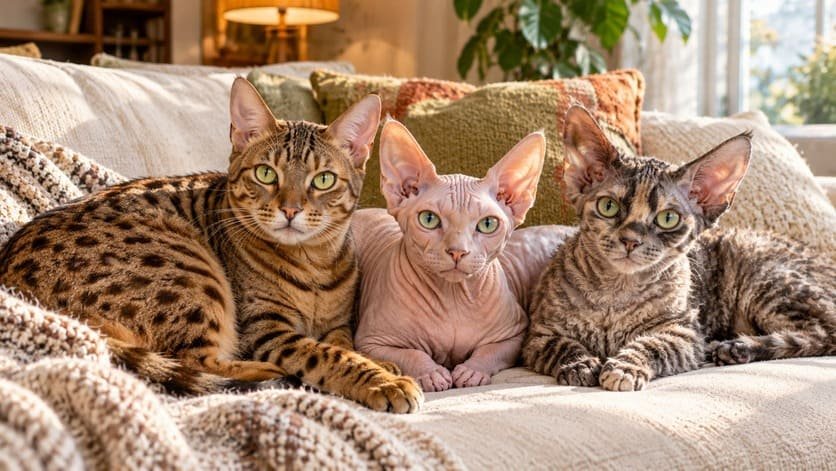
In everyday use, a cat looks exotic when it breaks from the classic tabby-on-the-couch image. That usually happens in one of three ways:
- Wild-cat patterning. Spots, rosettes, or bold stripes that echo leopards, ocelots, or tigers.
- Missing or reduced fur. Hairless or nearly hairless breeds show off skin, wrinkles, and big ears.
- Unusual coat texture. Curly, wavy, or patchy coats that change the cat’s whole silhouette.
Some breeds get their look from actual wild ancestors. Others were bred from domestic cats only. That difference matters more than you’d think, as you’ll see in the legal section.
The 10 most exotic-looking cat breeds
1. Bengal
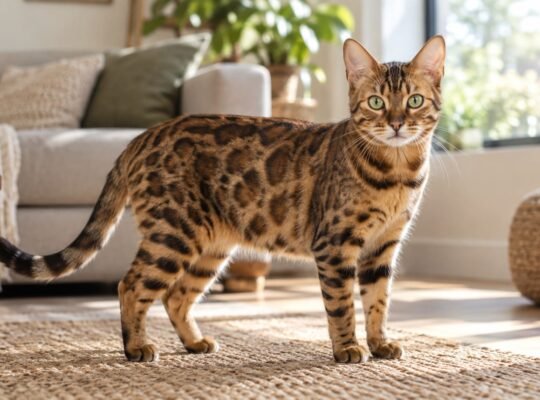
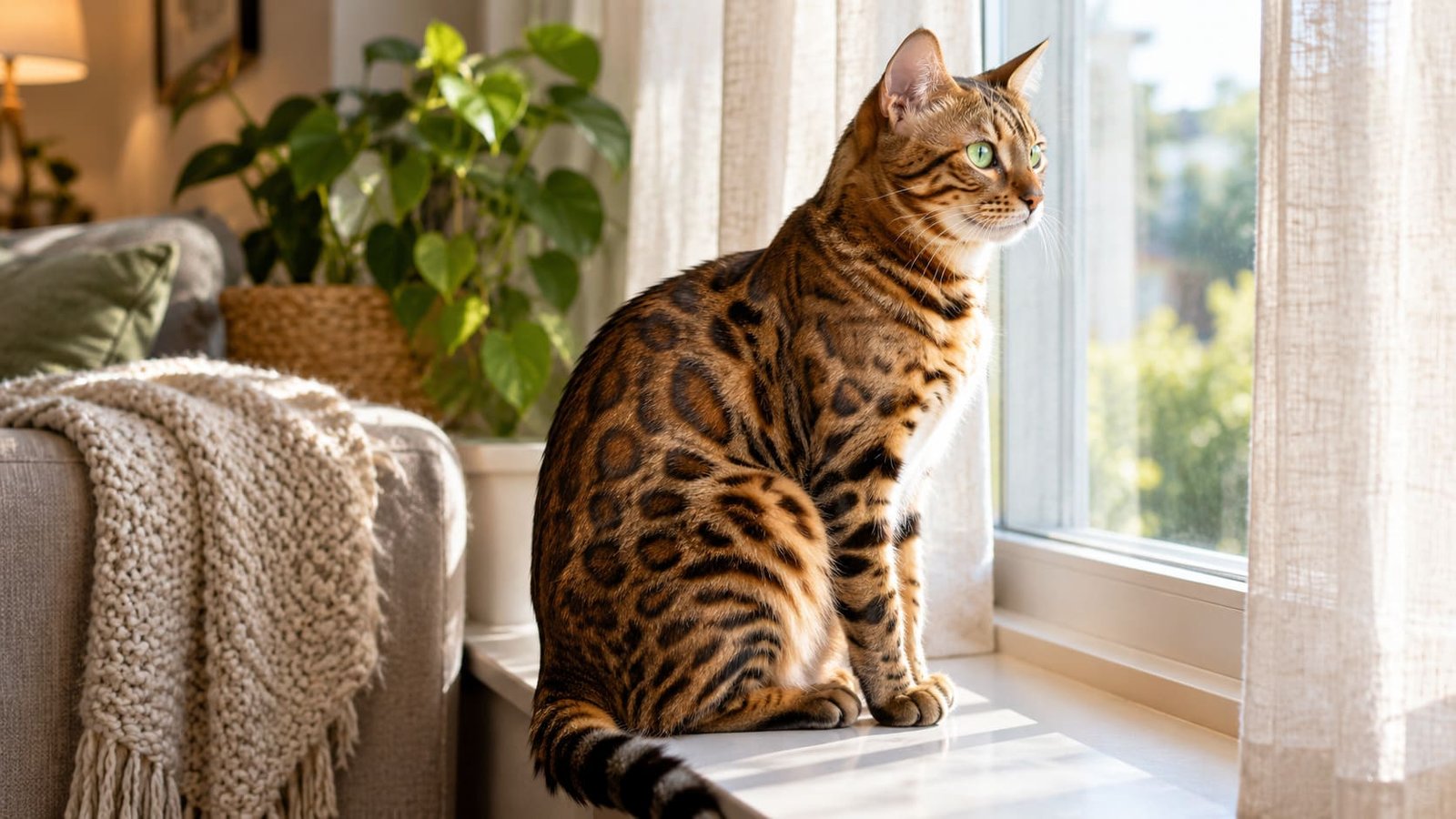
The Bengal is the breed most people picture first. It comes from crossing domestic cats with the Asian leopard cat, and today’s pet Bengals are many generations removed from that wild ancestor.
Look for rosette or marbled patterns and, in many cats, a shimmery “glitter” sheen on the coat. Bengals are athletic, curious, and famously interested in water. Many will bat at a dripping faucet or join you near the tub.
Good fit if: you want an interactive cat and have time for daily play. Think twice if: you want a lap cat who’s happy alone all day.
2. Savannah
The Savannah is a cross between a domestic cat and the African serval. It’s one of the tallest domestic cat breeds, with long legs, huge upright ears, and bold spots.
Savannahs are labeled by filial generation. An F1 has a serval parent. An F2 has a serval grandparent, and so on. Early generations tend to be larger and more intense, while later generations behave more like energetic housecats.
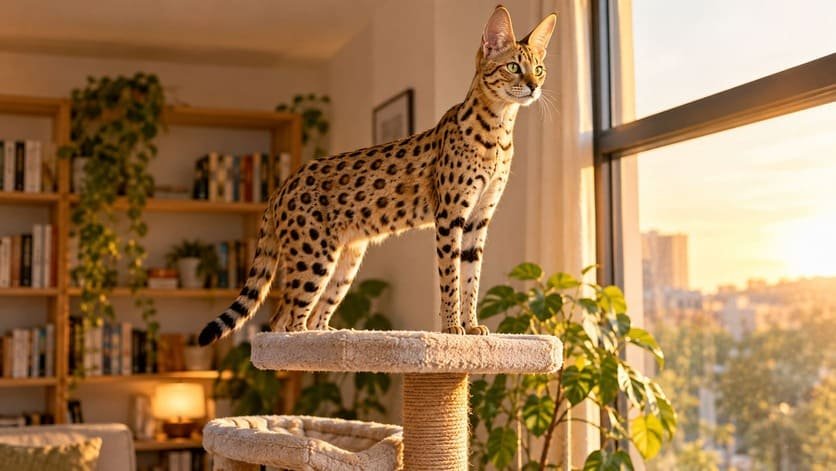
Expect a cat who can clear your kitchen counter from the floor and likely learns to open cabinets. Some Savannahs walk on a harness and play fetch.
Good fit if: you’re an experienced cat owner with lots of vertical space. Think twice if: your state restricts early generations (more on that below).
3. Egyptian Mau
The Egyptian Mau is one of the few naturally spotted domestic breeds, with no modern wild crossbreeding behind it. Its spots are random rather than lined up in stripes.
Maus have large gooseberry-green eyes and a slightly worried expression that owners find endearing. They’re quick, loyal to their people, and often reserved with strangers. Many “chirp” or trill instead of meowing.
Good fit if: you want a spotted cat without hybrid-law concerns. Think twice if: your home has a lot of loud, chaotic visitors.
4. Ocicat
The Ocicat looks like a small wild ocelot, but it has no wild DNA at all. The breed was developed in the U.S. from Abyssinian and Siamese crosses, with American Shorthair added later.
Ocicats are muscular, confident, and very social. They often get along well with other cats and dogs. Owners frequently describe them as dog-like, and many will learn to come when called.
Good fit if: you want the wild look with a fully domestic temperament. Think twice if: you’re away from home long hours with no other pets.
5. Toyger
The Toyger was bred to look like a miniature tiger, with bold, branching stripes on a bright orange coat. The breed was developed in the U.S. from domestic cats, including Bengals, and is recognized by TICA.
Toygers are generally easygoing and people-friendly. They’re playful without being as relentless as many Bengals. They’re also still fairly rare, so expect a waiting list with reputable breeders.
Good fit if: you want striking stripes and a moderate energy level. Think twice if: you need a cat quickly or want to adopt from a local shelter.
6. Chausie
The Chausie comes from crossing domestic cats with the jungle cat, a wild species found in parts of Asia and the Middle East. It’s tall and lean, with a ticked coat, long legs, and a noticeably athletic build.
Chausies are active, smart, and need a lot of engagement. Like other hybrids, early generations may be restricted in some areas. They’re rarer than Bengals or Savannahs in the U.S.
Good fit if: you want a sporty, wild-looking cat and live somewhere they’re clearly legal. Think twice if: you’re a first-time cat owner.
7. Sphynx
The Sphynx is the breed that stops people mid-scroll. It isn’t truly bald. Most have a fine, peach-fuzz layer that feels like warm suede.
Sphynx cats are extremely affectionate and often follow their people from room to room.
They also feel warm to the touch, and they seek out heat. Expect them under your blanket, on your laptop, or pressed against your neck at night.
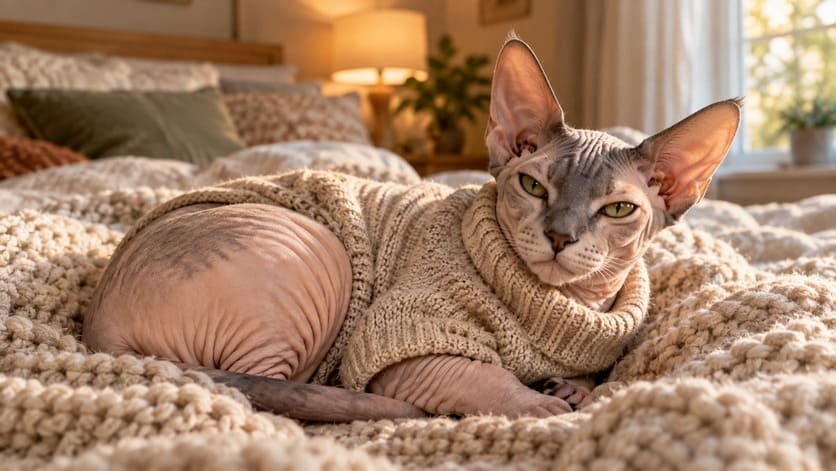
Two care notes matter here. Their skin builds up oils that fur would normally absorb, so most need regular baths. And the Sphynx is one of the breeds the Cornell Feline Health Center lists as predisposed to hypertrophic cardiomyopathy.
Good fit if: you want a velcro cat and don’t mind a weekly grooming routine. Think twice if: you keep your home cool or can’t commit to skin care.
8. Peterbald
The Peterbald comes from Russia and was developed from the Donskoy and Oriental Shorthair. The result is a slender, elegant cat with a long neck, wedge-shaped head, and very large ears.
Peterbald coats vary more than you’d expect. Some are fully hairless, some have a velvety “flock” coat, and some have a short brush coat.
A kitten’s coat can change as it matures, so the kitten you meet may not look the same at two years old.
Good fit if: you love an elegant, talkative, people-focused cat. Think twice if: you want to know exactly what your adult cat will look like.
9. Devon Rex
The Devon Rex has a soft, wavy coat, huge low-set ears, and big eyes. The overall effect is a little elfin. Some people say pixie. Others say alien.
Devons are playful and famously fond of perching on shoulders.
Their thin coat doesn’t hold much warmth, so they share the Sphynx’s love of heat. Some Devons also need gentle ear and skin cleaning, since their coat is sparse in places.
Good fit if: you want a cuddly, clownish cat that stays kitten-like. Think twice if: you’d rather not have a cat on your shoulder while you cook.
10. Lykoi
The Lykoi is often called the “werewolf cat.” Its coat is a patchy roan mix of black and white hairs, with bare areas around the eyes, nose, and muzzle.
The look comes from a natural genetic mutation in domestic cats, not wild ancestry.
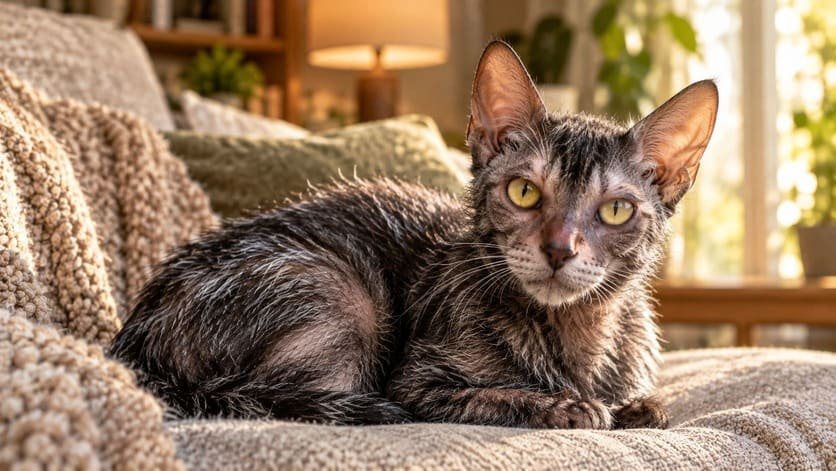
Lykois can shed heavily at times and may go through phases of looking more or less bald. Temperament-wise, they’re usually alert, social, and a bit dog-like. They’re a newer breed, recognized by TICA, and still uncommon.
Good fit if: you love the unusual and can be patient with a breeder waitlist. Think twice if: you expect a low-shedding cat.
Exotic-looking cat breeds at a glance
| Breed | Look | Wild ancestry? | Energy | Standout care need |
| Bengal | Rosettes, glitter coat | Yes (distant) | High | Daily interactive play |
| Savannah | Tall, big ears, bold spots | Yes | Very high | Vertical space; check local law |
| Egyptian Mau | Random natural spots | No | Medium-high | Calm, predictable home |
| Ocicat | Ocelot-like spots | No | Medium-high | Company and play |
| Toyger | Tiger-like stripes | No | Medium | Standard care |
| Chausie | Tall, lean, ticked coat | Yes | Very high | Experienced owner; check local law |
| Sphynx | Hairless, wrinkled | No | Medium-high | Baths, warmth, heart screening |
| Peterbald | Hairless to velvety | No | Medium | Skin care, warmth |
| Devon Rex | Wavy coat, huge ears | No | Medium-high | Warmth, light skin care |
| Lykoi | Patchy “werewolf” coat | No | Medium | Shedding cycles |
Are hybrid cats legal where you live?
This is the question most exotic breed lists skip, and it’s the one that can cost you your cat.
Savannahs, Bengals, and Chausies descend from wild species. Many U.S. states treat them like any other housecat. Some don’t. A few states ban certain hybrids entirely, and several only allow later generations, such as F4 and beyond for Savannahs.
State summaries online often disagree with each other, and laws change. So don’t rely on a blog chart, including this one. Here’s what to do instead:
- Call or check the website of your state’s fish and wildlife or natural resources agency.
- Check your city and county ordinances, since local rules can be stricter than state law.
- Ask your landlord or HOA if you rent or live in a managed community.
- Get the cat’s generation in writing from the breeder, with registration papers.
- Check the rules in any state you’ll travel through or move to.
Later-generation Bengals are legal in most places. Still, Hawaii and some cities have their own restrictions, so it’s worth the five-minute check.
What living with an exotic-looking cat is actually like
The breed photos don’t show the daily details. Here’s what owners and cat-care professionals commonly describe once the novelty settles in.
With hairless breeds, you’ll notice your sheets first. Sphynx and Peterbald skin leaves a faint oily, slightly tan residue on light bedding and pale furniture.
It builds up over about a week. By the time you see it on your pillowcase, the cat is usually due for a bath.
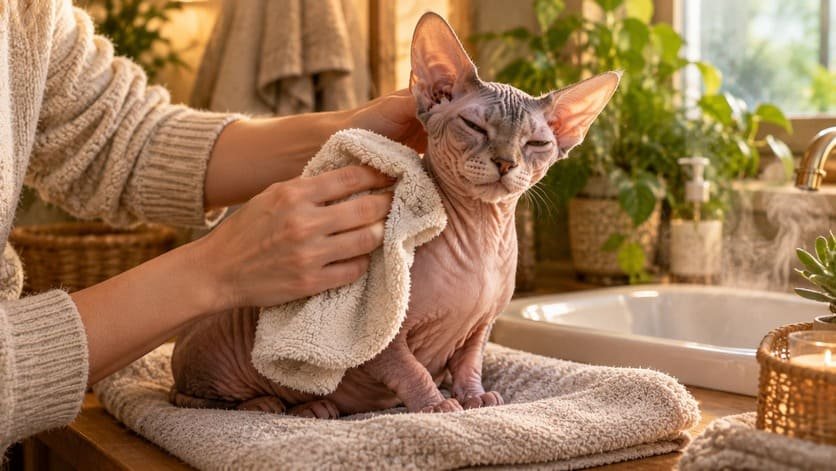
Their ears get dark, waxy buildup faster than furred cats, too. Many owners fold a quick ear wipe into bath day. Between baths, a warm damp cloth on the skin folds keeps things manageable.
Hairless cats also run to the heat. On chilly mornings, expect yours to be glued to a sunny window, a heating vent, or your lap before your coffee is ready.
A cat who stays tucked under a blanket all day in a cool room may simply be cold.
Bengals and Savannahs keep their own schedule. Many hit a burst of energy around dawn and again in the evening.
If they don’t get a real play session, they find their own. That can mean knocked-over glasses, opened cabinets, or a sprint across your bookshelf.
Water fascination is real. Plenty of Bengal and Savannah owners learn to keep the toilet lid down. A running faucet or a pet fountain often becomes a favorite toy, not just a water source.
Devon Rex cats claim shoulders. They’ll hop up while you’re standing at the counter and ride along. It’s charming. It’s also something to consider if you’re cooking over a hot stove.
How to choose the right exotic-looking breed
A cat’s look lasts about three seconds. Its energy level and care needs show up every single day. Start there.
Ask yourself these questions honestly:
- How much time can you spend on play each day? High-energy breeds like Bengals, Savannahs, and Chausies typically need at least two active play sessions daily. For ideas, see [INTERNAL LINK: SmartPawLife guide to indoor cat enrichment].
- How warm is your home? If you keep the thermostat low, a hairless or thin-coated cat will need sweaters, heated beds, or both.
- Will you commit to grooming? Hairless breeds need bath days. Spotted and curly breeds are generally easier.
- Who else lives with you? Social breeds like Ocicats and Devon Rex often do well with kids and other pets. Intense hybrids may overwhelm a quiet senior cat.
- Is hybrid ownership legal for you, now and in five years? If you might move, factor that in.
If your answers point toward “calm, simple care,” the Egyptian Mau, Ocicat, or Toyger may give you the exotic look without the demands.
Before you bring one home
Popular, striking breeds attract careless breeders and scammers. A little homework protects you and the cat.
Here’s a practical checklist:
- Ask about heart screening. For Sphynx and Bengals especially, ask whether the parent cats have been screened by echocardiogram, usually performed by a veterinary cardiologist. A good breeder will answer without hesitation.
- Visit in person or by live video. You want to see the kitten, the mother, and the space where they live.
- Ask for registration papers. TICA or CFA registration confirms the breed and, for hybrids, the generation.
- Expect the kitten to be at least 12 weeks old. Reputable breeders usually keep kittens until then so they can build social skills and complete early vaccines.
- Get a written health guarantee and contract. It should say what happens if the cat develops a genetic condition or you can no longer keep it.
- Walk away from pressure. No photos of parents, a rush to take a deposit, or shipping-only sales are red flags.
Also consider adoption. Breed-specific rescues exist for Bengals, Savannahs, and Sphynx cats. Many were surrendered because an owner underestimated their energy or care needs, which means the rescue can often tell you a lot about each cat’s personality.
Once your cat is home, book a vet visit within the first week or two. Mention the breed so your vet can watch for breed-linked issues from the start.
Why the Scottish Fold isn’t on this list
The Scottish Fold’s folded ears make it look unusual, and it often shows up on “exotic” lists. We left it off on purpose.
The same gene that folds the ear cartilage affects cartilage and bone throughout the body. This condition, called osteochondrodysplasia, can cause painful joint changes.
Veterinary groups have raised welfare concerns about breeding for this trait, and some countries have moved to restrict it.
If you already share your home with a Fold, watch for stiffness, reluctance to jump, or a shortened, stiff tail, and talk with your vet about pain management.
Is an exotic-looking cat right for you?
A cat with leopard spots or velvet skin is a joy to live with when the fit is right. The fit is the whole thing.
If you want the wild look with fewer demands, start with the Egyptian Mau, Ocicat, or Toyger. If you want a devoted shadow and don’t mind bath day, look at the Sphynx or Devon Rex.
And if you’re drawn to a hybrid, check the law before you check the kitten listings.
Ready for your next step? Browse more breed guides and new-cat checklists on Smart Paw Life, and bookmark this page for when you start talking to breeders or rescues.
Disclaimer: This article is for informational purposes only and is not a substitute for professional veterinary advice. Talk with your veterinarian about any health concerns, including breed-linked conditions like heart disease. For aggression, high prey drive, or other high-risk behavior, especially in hybrid breeds, work with a certified animal behaviorist or a qualified cat behavior consultant.
Click Here to Add SmartPawLife as a Trusted Source Add as a preferred source on Google