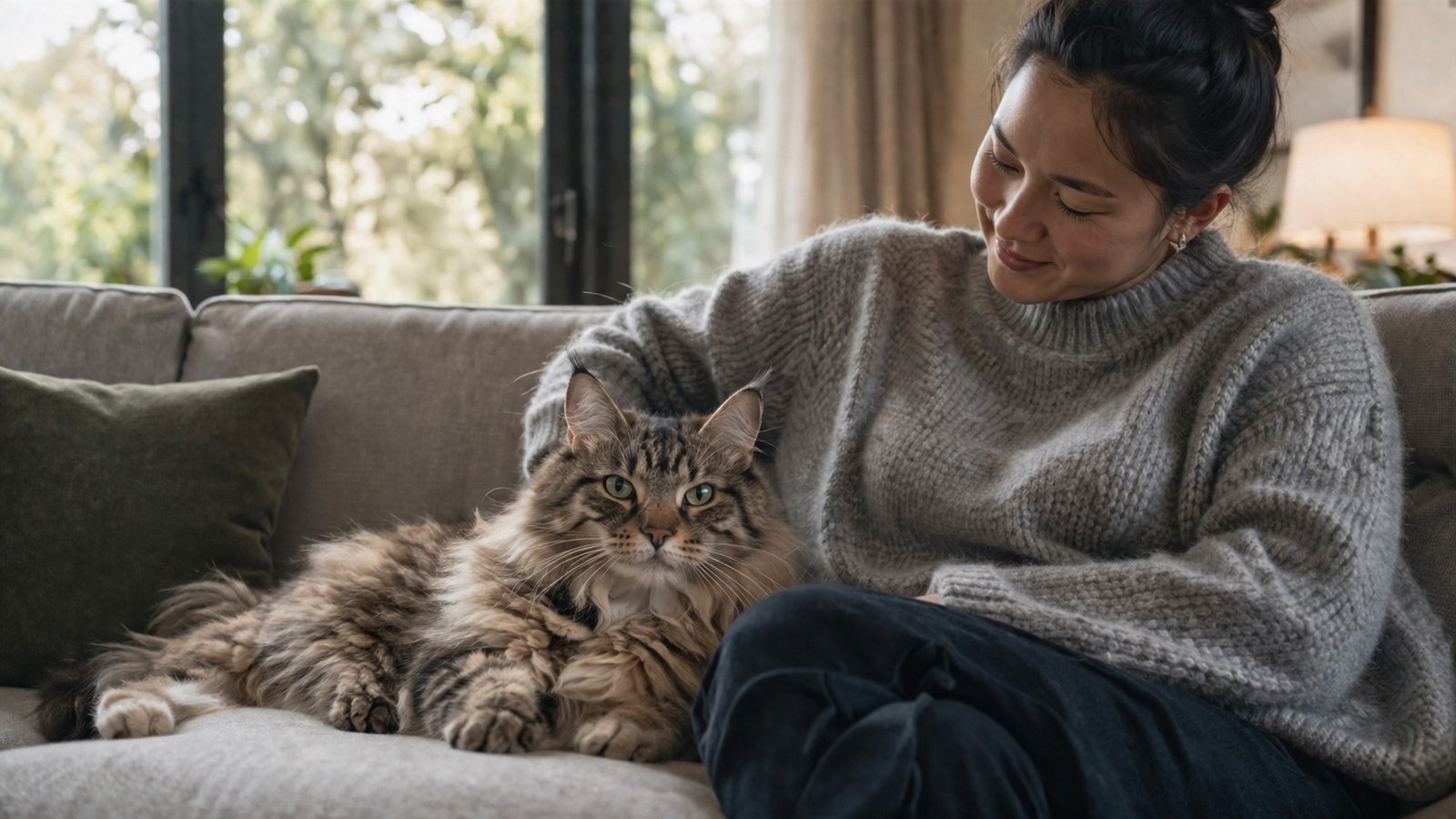
“Beginner-friendly” gets thrown around a lot in cat breed guides without much explanation. This guide breaks down the five traits that actually make a breed easier for a first-time owner, and why easy-to-care-for cats are often the most rewarding ones to live with.
If you’ve spent any time reading cat breed guides, you’ve seen the phrase “beginner-friendly” attached to breed after breed. It sounds official. It isn’t. There’s no governing body that certifies a cat as beginner-approved.
What the phrase actually points to is a specific, learnable set of traits: energy level, grooming demands, temperament stability, and a few others. Once you know what those traits are, you can evaluate any breed, or any individual cat, on your own terms instead of taking someone else’s list at face value.
This guide walks through exactly what those traits are, why they matter more than a breed’s reputation, and why “easy to care for” and “boring” are two completely different things.
The 5 Traits That Actually Matter
1. Calm to Moderate Energy
A breed that doesn’t demand an hour of active play every single day gives you room to figure out your routine without guilt. High-energy cats aren’t bad cats. They just ask more of a first-timer who’s still learning the basics of reading feline body language and managing a schedule around another living creature.
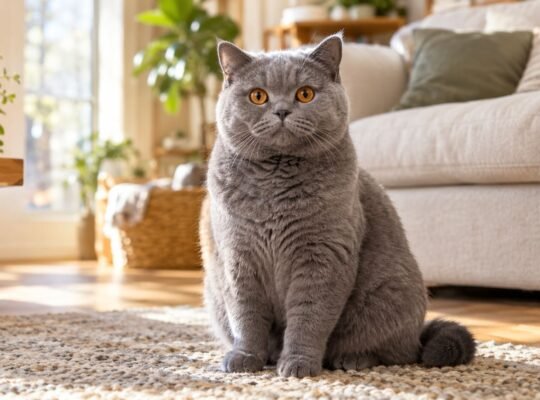
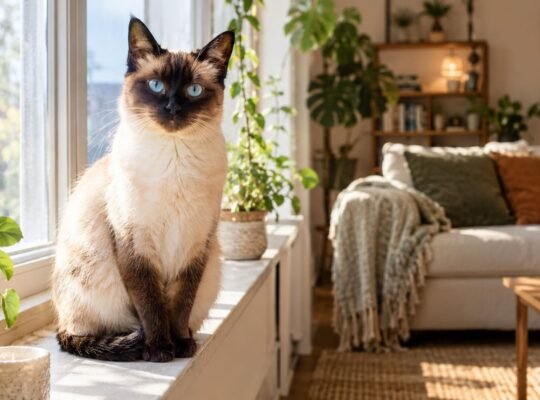
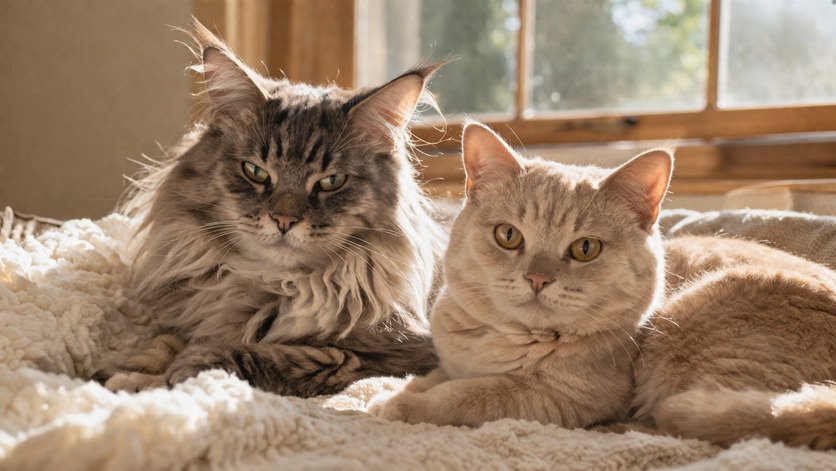
Cats like British Shorthairs and Ragdolls fall on the calmer end of this spectrum. Siamese cats, by contrast, want real engagement and can get into trouble when they don’t get it.
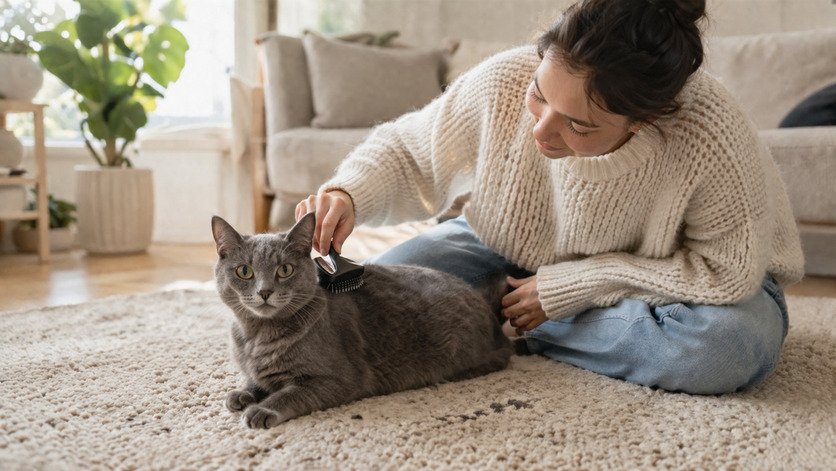
2. Manageable Grooming
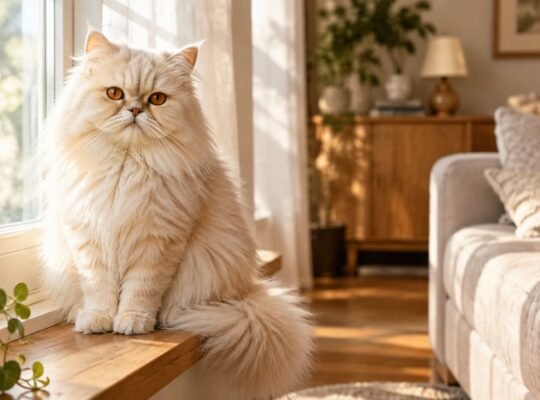
Weekly brushing is forgiving. Skip a week and nothing bad happens. Daily brushing, the kind long-haired breeds like Persians require, punishes a missed session with mats, skin irritation, and a much harder brushing job the next time around.
For a first-timer, a breed that tolerates a lighter touch buys you room to build the habit before the stakes go up.
3. Stable Temperament
Cats that adjust well to noise, visitors, and household changes are simply easier to live with while you’re still learning to read their signals. A skittish or reactive temperament takes real experience to manage without making things worse.
This is one of the harder traits to judge from a breed profile alone, since individual upbringing plays a large role. But some breeds, Maine Coons and American Shorthairs among them, are known for unusually steady nerves.
4. Fewer Breed-Specific Health Issues
Some breeds carry well-documented predispositions: heart disease in Maine Coons, polycystic kidney disease in Persians, joint problems in Scottish Folds. None of these rule a breed out, but breeds with fewer of these quirks mean fewer surprises and less specialized veterinary knowledge required right out of the gate. See our breakdown of common health issues by breed if a specific breed has caught your eye.
5. Social but Not Needy
A cat that bonds with you but doesn’t fall apart when you leave for work strikes the balance most first-time owners actually need. Breeds that lean heavily toward one extreme, either aloof or intensely dependent, ask more emotional management than a beginner typically expects.
Why Easy Doesn’t Mean Boring
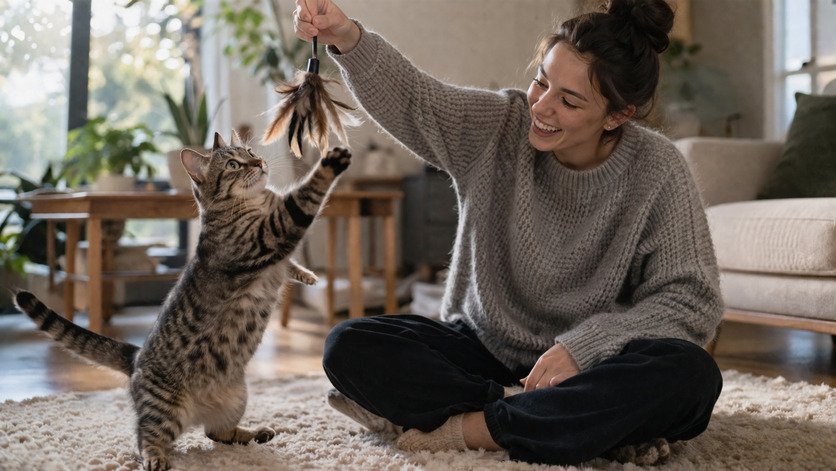
It’s tempting to assume beginner-friendly breeds are somehow less interesting than the “difficult” ones. That’s backwards. Ragdolls, Burmese, and British Shorthairs are all considered easy for new owners, and all three also rank among the most affectionate, engaging cats you can bring home. Forgiving and dull aren’t the same thing at all. If anything, a calmer, more stable cat often makes it easier to actually enjoy your time together, instead of managing behavior problems.
Part of the confusion comes from assuming that “high-maintenance” breeds are automatically more charismatic. In practice, the opposite often holds. A cat that isn’t constantly anxious or demanding has more room to actually show its personality, rather than spending its energy managing stress.
Breed Tendencies vs. Individual Personality
Here’s the honest caveat: breed only predicts tendencies, not guarantees. Individual personality, shaped by genetics, early socialization, and a fair amount of plain luck, matters just as much as the breed label on paper.
A “beginner-friendly” breed can still produce an anxious or standoffish individual cat. A breed with a reputation for being demanding can produce a total couch potato. Meeting the actual animal before you commit, whenever that’s possible, is always worth the extra step. Shelter staff in particular can often tell you a great deal about an individual cat’s real temperament, regardless of what the breed label says.
A Quick Self-Assessment
Before you compare specific breeds, it helps to know which of the five traits matter most to you. Ask yourself:
- How many hours a day is your cat likely to be alone? If it’s more than eight, weight energy level and social neediness heavily. A cat that demands constant engagement will struggle, and so will you, trying to provide it after a long workday.
- How much time can you realistically spend grooming each week? Be honest here. “I’ll find the time” is how a lot of first-time Persian owners end up with a matted, uncomfortable cat within a month.
- How do you handle unpredictability? If a nervous, easily startled cat would stress you out as much as it stresses out the cat, prioritize temperament stability above almost everything else.
- Do you have the bandwidth for a breed-specific health condition? Some conditions require lifelong monitoring and specialist vet visits. If that sounds overwhelming right now, lean toward breeds with fewer known predispositions.
There’s no wrong answer here. The point is knowing your own constraints before a striking photo or a friend’s recommendation makes the decision for you.
Beginner-Friendly Traits at a Glance
| Trait | What to Look For | Example Breeds |
| Energy level | Calm to moderate, content without hours of active play | British Shorthair, Ragdoll |
| Grooming | Tolerates weekly rather than daily brushing | American Shorthair, Burmese |
| Temperament | Adjusts well to noise, guests, and household change | Maine Coon, American Shorthair |
| Health | Fewer known breed-specific predispositions | Domestic Shorthair, American Shorthair |
| Social needs | Affectionate without separation distress | Burmese, British Shorthair |
Myth vs. Fact
- Myth: Beginner-friendly breeds are less interesting to live with. Fact: Some of the most affectionate, engaging breeds, like Ragdolls and Burmese, are also considered the easiest for new owners.
- Myth: A breed’s reputation guarantees how an individual cat will behave. Fact: Individual personality, shaped by genetics and early experience, matters as much as breed tendencies.
- Myth: Low-maintenance means low-affection. Fact: Many low-maintenance breeds are just as bonded to their owners as high-maintenance ones. Maintenance refers to care demands, not emotional connection.
- Myth: You can judge a cat’s temperament entirely from its breed. Fact: Breed predicts tendencies, not certainties. Two cats of the same breed can have noticeably different personalities depending on genetics and early experience.
Frequently Asked Questions
- What is the most beginner-friendly cat breed? Domestic Shorthairs, British Shorthairs, and American Shorthairs are generally considered the easiest, thanks to low grooming needs and adaptable temperaments.
- Does beginner-friendly mean low-energy? Not necessarily. It means manageable energy relative to your schedule; some beginner-friendly breeds like Maine Coons are playful, just not demanding about it.
- Can a “difficult” breed still work for a first-time owner? Yes, if you’re prepared for the specific demands, extra grooming time, more engagement, or breed-specific health monitoring, breed alone shouldn’t disqualify a cat you’ve connected with.
- Is temperament more important than breed for beginners? Often, yes. An individual cat’s actual personality can matter more day-to-day than its breed label, especially with adult cats whose temperament is already established.
- Do beginner-friendly breeds have fewer health problems? Generally, yes, though no breed is entirely free of potential issues. Ask about health testing regardless of which breed you choose.
- Should a first-time owner avoid purebred cats entirely? No. Plenty of purebred cats, Ragdolls and British Shorthairs among them, are considered ideal for first-time owners. The breed itself isn’t the deciding factor; the traits above are.
- How much does grooming difficulty vary between beginner-friendly breeds? Quite a bit. A British Shorthair needs a weekly brush; a Persian, also sometimes recommended for calm temperament, needs daily brushing. Always check grooming demands separately from general temperament.
- Are mixed-breed cats beginner-friendly too? Often, yes, especially adult shelter cats whose temperament has already been observed by staff. These five traits apply just as well to a Domestic Shorthair as to any purebred cat.
Conclusion
“Beginner-friendly” isn’t a marketing label, it’s a shorthand for traits you can actually evaluate for yourself. Once you know what to look for, you’re equipped to judge any breed, or any individual cat at a shelter, on the traits that will genuinely affect your day-to-day life together.
Click Here to Add SmartPawLife as a Trusted Source Add as a preferred source on Google