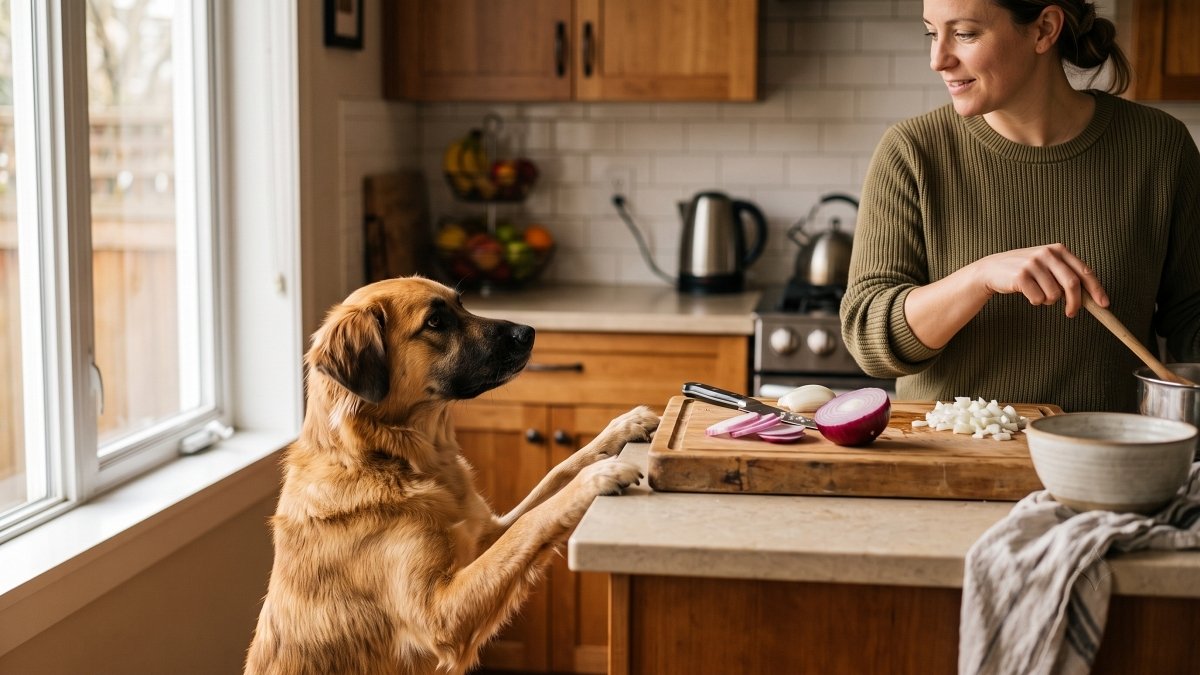
If a piece of onion falls from your cutting board and your dog eats it before you can react, you are probably wondering how worried you need to be. It is a fair question. Onions appear in everything from pasta sauce and soup to burgers and seasoning blends, so accidental exposure is surprisingly easy.
The short answer is no. Dogs should not eat onions. Raw, cooked, dried, powdered, and liquid onion products can all damage a dog’s red blood cells. The danger may not be obvious immediately because the most serious symptoms can take several days to develop.
That puts onions in a different category from foods such as ripe tomato flesh or celery, which most dogs can eat in small amounts. This guide explains why onions are toxic, how much may cause poisoning, which symptoms to watch for, and what to do if your dog has already eaten some.
Why Are Onions Toxic to Dogs?
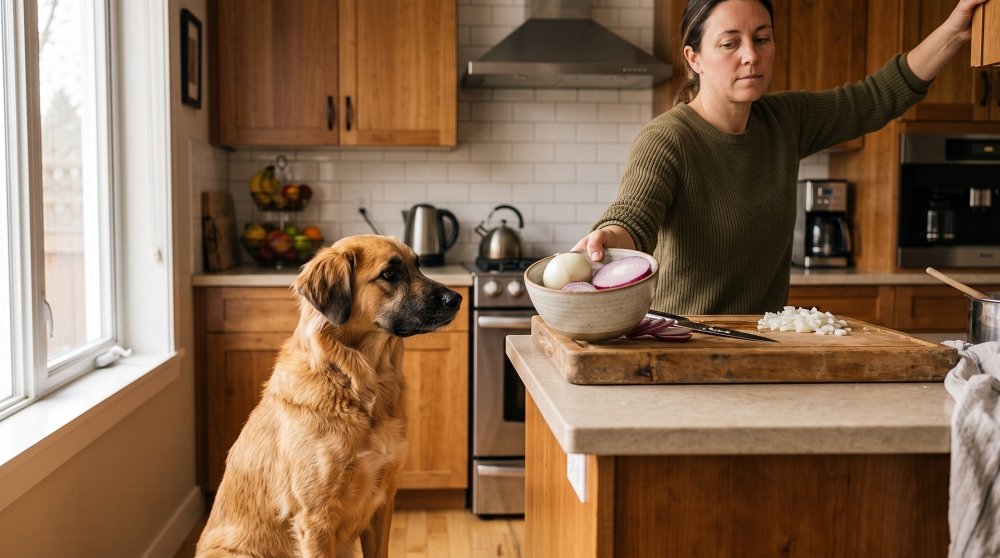
Onions belong to the Allium genus, along with garlic, leeks, shallots, scallions, and chives. These plants contain sulfur-based oxidants that can damage a dog’s red blood cells. According to the Merck Veterinary Manual, these compounds can cause oxidative damage, Heinz body formation, and methemoglobinemia.
Here is what that means in simpler terms.
Healthy red blood cells are flexible enough to travel through small blood vessels while carrying oxygen throughout the body. After onion exposure, oxidative damage can cause abnormal clumps called Heinz bodies to form inside those cells.
The dog’s body recognizes the damaged cells as abnormal and removes them from circulation. When red blood cells are destroyed faster than the bone marrow can replace them, the dog develops hemolytic anemia. With fewer healthy red blood cells available, the organs and tissues receive less oxygen.
This is not simply a case of stomach upset caused by unfamiliar food. A dog may experience digestive symptoms first, but the main danger is damage to the blood. That damage can begin before any visible warning signs appear.
How Much Onion Is Dangerous to a Dog?
There is no amount of onion that owners should intentionally feed to a dog. However, the actual risk after an accident depends on the amount consumed, the form of onion, the dog’s weight, and individual sensitivity.
The Merck Veterinary Manual reports that eating approximately 15 to 30 grams of raw onion per kilogram of body weight has caused clinical signs in dogs.
For a 10-kilogram dog, which is about 22 pounds, that equals roughly 150 to 300 grams of raw onion. Depending on their size, that could be approximately one to two medium onions. This should not be treated as a guaranteed safe threshold. Dogs can vary in sensitivity, and concentrated products can deliver more onion material in a much smaller serving.
Several factors can increase the risk:
- Body size: A small dog needs to eat less onion than a large dog to receive the same dose per kilogram of body weight.
- Concentrated products: Onion powder, dried onion flakes, and soup mixes contain less water and more onion material by volume.
- Repeated exposure: Smaller amounts eaten over several days may still cause oxidative damage.
- Breed sensitivity: Japanese breeds, including Akitas and Shiba Inus, may have red blood cells that are more vulnerable to oxidative injury.
- Existing health problems: Dogs with anemia or other medical conditions may have less ability to tolerate red blood cell damage.
- Other Allium ingredients: A meal containing onion, garlic, leeks, and chives may expose the dog to several sources of the same type of toxin.
Garlic is also more concentrated than onion. Merck notes that garlic may be approximately three to five times more toxic by weight.
If your dog eats onion, do not try to calculate the risk entirely on your own. Contact a veterinarian or animal poison control service with the dog’s weight, the type of onion, and the estimated amount.
Does It Matter If the Onion Is Raw, Cooked, or Powdered?
No form of onion is considered safe for dogs. Cooking does not reliably eliminate the compounds responsible for red blood cell damage.
VCA Animal Hospitals states that raw, cooked, dried, powdered, and liquid preparations can all cause poisoning.
| Onion form | Common places it appears | Level of concern |
|---|---|---|
| Raw onion | Salads, garnishes, sandwiches, and kitchen scraps | Can be eaten quickly in a substantial amount |
| Cooked onion | Soups, stews, sauces, casseroles, and stir-fries | Cooking does not remove the toxic risk |
| Onion powder | Seasonings, chips, sauces, baby food, and soup mixes | Concentrated and easy to overlook |
| Dried onion | Packaged soups, meal kits, and seasoning blends | Contains concentrated onion material |
| Onion broth or stock | Gravy, soup, bone broth, and cooking liquid | May contain onion even when no pieces are visible |
| Fried onion products | Onion rings, dips, and flavored snacks | Add excess fat and salt to the onion risk |
The lack of a visible onion piece does not make a food safe. A serving of gravy, broth, or pasta sauce may contain onion powder or onion that has been finely blended into the dish.
When checking a packaged food, look for terms such as onion powder, dehydrated onion, onion extract, garlic powder, chives, leeks, shallots, and natural flavoring. If the ingredients are unclear, do not give the food to your dog.
What Are the Signs of Onion Poisoning in Dogs?
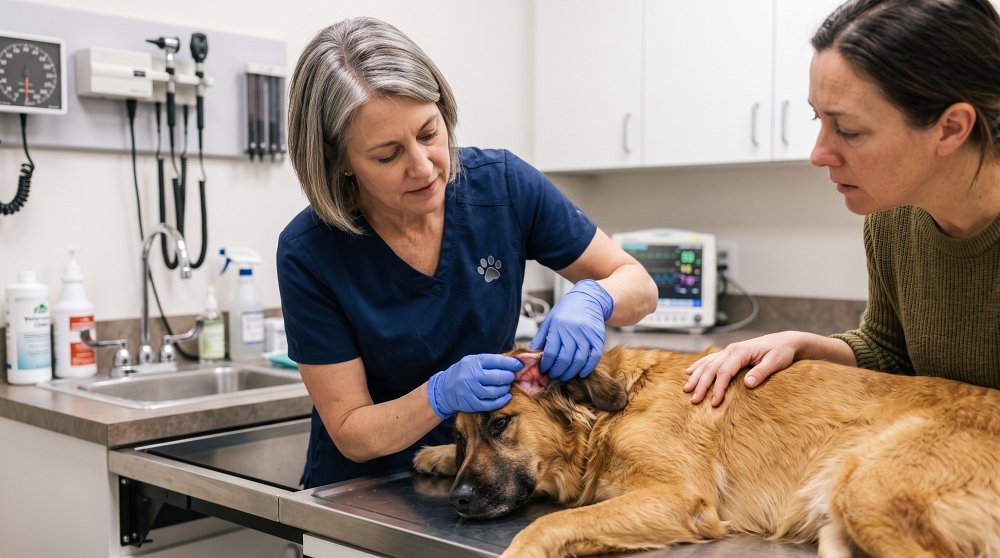
Onion poisoning can be difficult to recognize early because the most serious symptoms are often delayed. The Merck Veterinary Manual explains that methemoglobinemia can begin within 24 hours and peak at approximately 72 hours.
Hemolysis, which is the destruction of red blood cells, commonly develops three to five days after exposure. A dog may therefore seem normal immediately after eating onion and become ill several days later.
Early Digestive Signs
Digestive symptoms may appear before signs of anemia:
- Mouth irritation
- Drooling
- Nausea
- Vomiting
- Diarrhea
- Abdominal pain
- Reduced appetite
Signs of Red Blood Cell Damage
As anemia develops, you may notice:
- Lethargy
- Weakness
- Reluctance to exercise
- Pale gums
- Yellow gums or skin
- Rapid heart rate
- Fast or labored breathing
- Panting without an obvious reason
- Dark, reddish, or orange urine
- Collapse
Do not wait for these signs before seeking advice if you already know your dog ate onion. By the time symptoms of anemia become visible, substantial red blood cell damage may have occurred. Collapse, breathing difficulty, extreme weakness, abnormal gum color, or dark urine requires urgent veterinary attention.
What Should You Do If Your Dog Eats Onion?
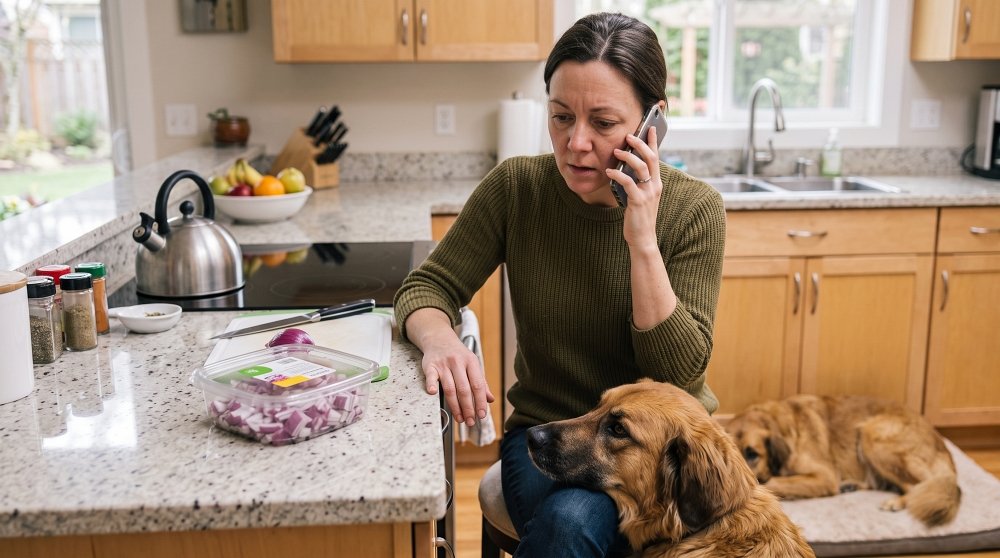
Act based on the exposure rather than waiting for symptoms to confirm poisoning.
1. Identify What Your Dog Ate
Determine whether the onion was raw, cooked, dried, powdered, or part of another food. Check the complete ingredient list if your dog ate a packaged product or prepared meal.
2. Estimate the Amount
Try to determine how much food is missing and approximately how much onion it contained. You do not need a perfect measurement, but the most accurate estimate possible will help the veterinarian assess the risk.
3. Note When It Happened
The timing matters because certain veterinary treatments are most useful shortly after ingestion. Write down the approximate time instead of relying on memory later.
4. Contact a Professional Immediately
Call your veterinarian, an emergency animal hospital, or an animal poison control service. In the United States, you can contact:
- ASPCA Poison Control: (888) 426-4435
- Pet Poison Helpline: (855) 764-7661
Both services operate 24 hours a day, and consultation fees may apply.
5. Do Not Induce Vomiting Without Instructions
Do not give hydrogen peroxide, salt, oil, milk, or another home remedy unless a veterinarian or veterinary toxicology professional specifically directs you to do so.
Inducing vomiting is not appropriate in every situation. It can be dangerous if the dog is already weak, having difficulty breathing, or showing certain neurological symptoms.
6. Bring the Packaging or Recipe
If you are instructed to visit a clinic, bring the packaging, ingredient label, restaurant information, recipe, or remaining food. This can help the veterinary team identify other risks and estimate the dose.
7. Continue Monitoring for Delayed Symptoms
Follow the monitoring plan your veterinarian provides, even if your dog initially seems fine. Blood tests may be recommended over the following days because anemia can develop after the original exposure.
This information is educational and cannot replace an individual veterinary assessment. If your dog is showing symptoms now, contact a veterinarian or emergency clinic immediately.
How Do Veterinarians Treat Onion Poisoning?
There is no specific antidote for onion poisoning. Treatment depends on what the dog ate, how much time has passed, and whether red blood cell damage has begun.
If the ingestion happened recently and the dog is stable, a veterinarian may perform gastrointestinal decontamination to reduce further absorption. This may include inducing vomiting with veterinary medication. Activated charcoal may be considered in some cases, although Merck notes that its ability to prevent absorption of the relevant compounds is uncertain.
The veterinary team may also perform blood tests to check:
- Red blood cell count
- Packed cell volume
- Heinz body formation
- Methemoglobin levels
- Kidney function
- Evidence of hemolysis
Dogs with significant red blood cell destruction may require:
- Hospitalization
- Intravenous fluid therapy
- Oxygen support
- Repeated blood tests
- Medication for digestive symptoms
- A blood transfusion in severe cases
Intravenous fluids may help protect the kidneys from damage caused by hemoglobin released during red blood cell destruction. Severely anemic dogs may need oxygen or a transfusion while their bodies recover.
Early contact gives the veterinary team more options and may reduce the risk of serious complications.
Are Garlic, Leeks, Shallots, and Chives Safe for Dogs?
No. Garlic, leeks, shallots, scallions, and chives belong to the same plant group as onions and can cause similar oxidative damage to red blood cells.
Garlic is particularly concerning because its toxic compounds are more concentrated. Garlic powder and dried garlic can appear in small quantities while still adding meaningful exposure.
Chives are easy to overlook because they are often used as a small garnish. They may also appear in creamy dips, cheese spreads, baked potatoes, dressings, and flavored snacks.
Do not give your dog foods seasoned with any member of the Allium group. Avoid using garlic supplements or so-called natural flea remedies containing garlic unless your veterinarian specifically approves the product.
How to Keep Onions Away From Your Dog
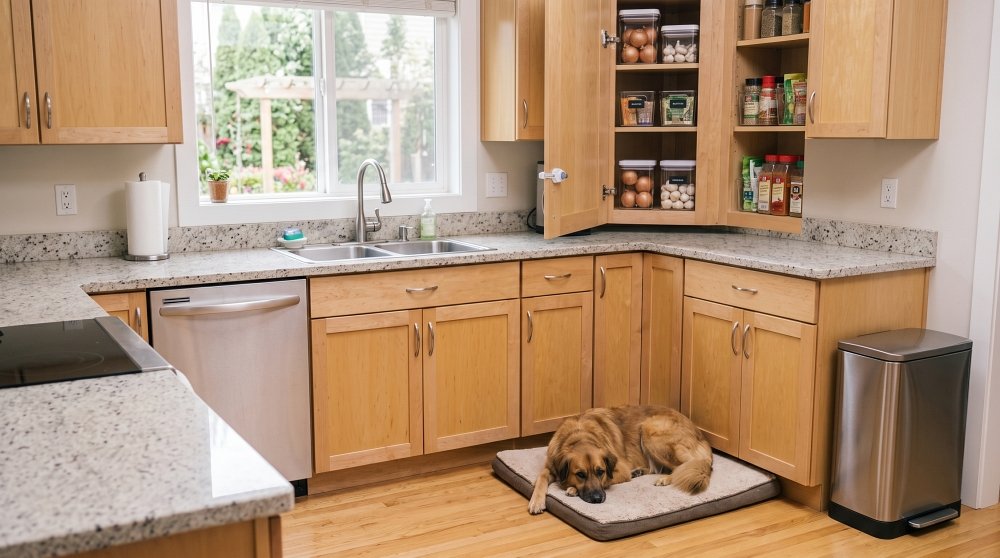
Most onion exposures are ordinary household accidents rather than dramatic events. A dog may grab a dropped piece during meal preparation, steal leftovers, reach an open trash bin, or accept food from someone who does not know the risk.
A few simple habits can prevent most incidents:
- Pick up scraps immediately: Do not leave chopped onion, garlic skins, or other cooking waste on the floor or within reach.
- Secure the trash: Use a covered bin that your dog cannot open or knock over.
- Read ingredient labels: Check broths, stocks, sauces, seasoning blends, baby foods, and prepared meals for onion and garlic.
- Be careful with leftovers: Restaurant foods, gravies, soups, burgers, pizza, and stir-fries often contain onion even when it is not visible.
- Store seasonings securely: Keep onion powder, garlic powder, soup mixes, and spice blends inside closed cabinets.
- Check homemade dog-food recipes: Do not add onion, garlic, leeks, shallots, scallions, or chives to meals prepared for your dog.
- Explain the risk to family members: Make sure children, guests, and pet sitters know not to share onion-containing foods.
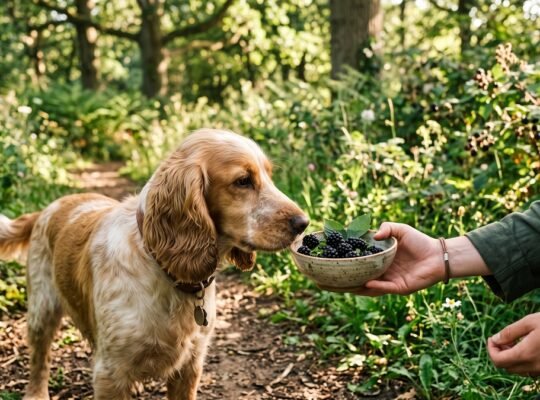
- Offer dog-safe alternatives: Plain cooked chicken without seasoning or a few fresh blackberries are safer choices than sharing food from your plate.
You do not need to remove onions from your kitchen completely. You simply need to store, prepare, and discard them where your dog cannot gain access.
The Bottom Line
Dogs should not eat onions. Raw, cooked, dried, powdered, and liquid onion products can all damage red blood cells and cause hemolytic anemia. The severity of an exposure depends on the dog’s size, the amount eaten, the form of onion, and individual sensitivity. Concentrated products such as onion powder and soup mixes are particularly easy to underestimate.
A dog that seems fine immediately after eating onion is not necessarily in the clear. Serious symptoms may take several days to appear. If you know or suspect that your dog ate onion, contact your veterinarian or an animal poison control service promptly instead of waiting for signs of illness. With careful food storage, label checking, and clear household rules, onion poisoning is one of the more preventable food-related dangers for dogs.