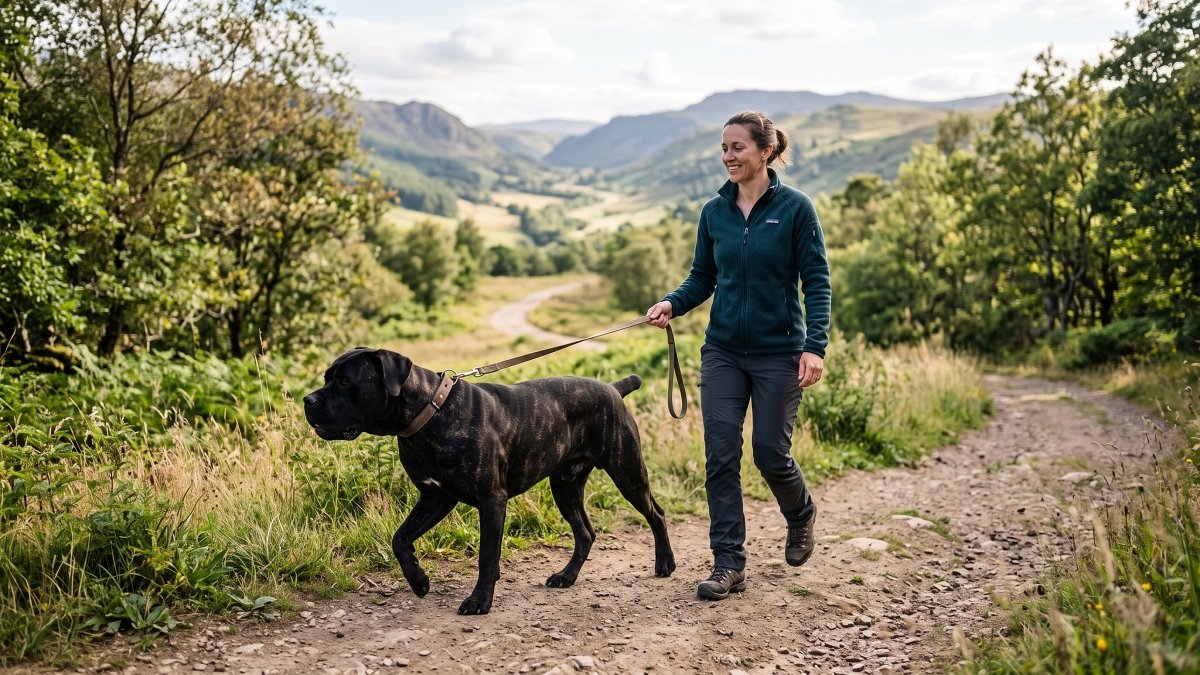
If you are researching the Cane Corso, you are probably drawn to the same quality that attracts most people: its unmistakable, imposing presence. However, a dog built like this comes with serious responsibilities. Many breed profiles skim past the details that matter most, including how much space a Cane Corso needs, what living with one is really like, and which health concerns you should discuss with a breeder or veterinarian before committing.
This guide covers the Cane Corso from the ground up: where the breed comes from, how large it gets, how it behaves around family and strangers, how long it typically lives, and what daily training, exercise, grooming, and healthcare involve. Whether you are actively considering bringing one home or simply researching the breed, you will find practical, honest information here rather than a sales pitch.
Cane Corso Breed Characteristics at a Glance
| Trait | Details |
|---|---|
| Origin | Italy, descended from ancient Roman working and guardian dogs |
| Size | Large to giant |
| Height | Males: 25–27.5 inches; females: 23.5–26 inches |
| Weight | Approximately 83–110 pounds, although some males approach 120 pounds |
| Lifespan | 9–12 years |
| Coat | Short, dense double coat |
| Colors | Black, gray, fawn, or red, with or without brindling |
| Temperament | Loyal, protective, intelligent, and reserved with strangers |
| Energy level | High; requires structured daily exercise |
| Best suited for | Experienced owners with time for training and enough space for a large dog |
What Is a Cane Corso? Breed History and Origin
The Cane Corso’s name has Latin roots and is commonly associated with the idea of a guardian or bodyguard dog, according to the American Kennel Club. The breed traces its ancestry to the Molossian dogs used by ancient Romans. These dogs were later developed in southern Italy into versatile farm guardians.
Historically, Cane Corsos guarded property, managed livestock, and helped hunt large game such as wild boar. The breed nearly disappeared after World War II as rural Italian life changed and traditional farm dogs became less necessary. Dedicated breeders began reviving it during the 1970s and 1980s, and the AKC officially recognized the Cane Corso in 2010.
That working history still shapes the dog people bring home today. This breed was developed to think independently, protect its territory, and work closely with someone it trusts. It was not designed to remain inactive or entertain itself without direction.
The Cane Corso has also climbed rapidly in popularity. According to the AKC’s 2025 registration rankings, it ranked 11th among recognized breeds, rising from 14th place in 2024 and nearly entering the top 10.
How Big Does a Cane Corso Get?
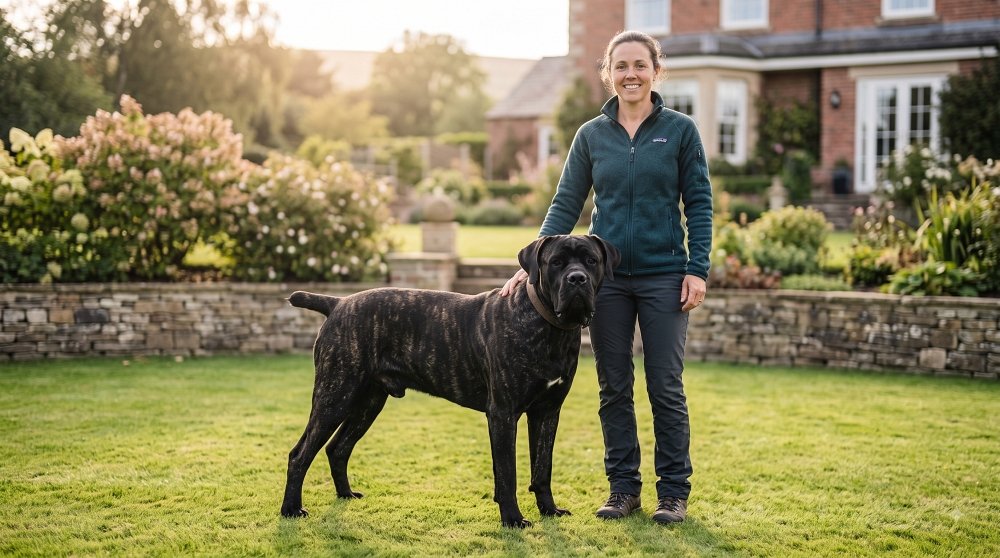
The Cane Corso is a large, muscular dog with a powerful build. According to the official AKC breed standard, males stand between 25 and 27.5 inches at the shoulder, while females stand between 23.5 and 26 inches.
The standard calls for weight to remain proportionate to height rather than specifying an exact range. However, VCA Animal Hospitals reports that most adults weigh approximately 83 to 110 pounds. Some large, well-muscled males may approach 120 pounds.
Physically, the breed has a broad head, a strongly muscled and slightly rectangular body, and a short, stiff coat with a light undercoat that becomes thicker during cold weather. Recognized colors include black, gray, fawn, and red, with brindling permitted. Solid fawn and red dogs should have a black or gray mask around the muzzle.
One practical detail is easy to underestimate: Cane Corsos may not reach complete physical and behavioral maturity until they are two or three years old. A six-month-old puppy that already weighs 60 pounds still has considerable growing and maturing left to do.
What Is the Cane Corso Temperament Really Like?
The AKC breed standard describes the Cane Corso as intelligent, trainable, affectionate with its owner, and loving toward its family. That is a fair description of how a well-bred, properly socialized Corso usually behaves inside its own household.
Many owners describe these dogs as remarkably attentive to human moods. A Cane Corso often wants to remain in the same room as its family and may stay physically close to a favorite person.
Outside that trusted circle, its behavior can be very different. Cane Corsos are naturally protective of their homes and families. Without early, thoughtful socialization, that instinct can develop into excessive suspicion, fear, or aggression toward unfamiliar people.
This tendency is not simply a personality flaw. Guardian breeds were selectively bred to distinguish between familiar people and potential threats. That means the experiences provided during puppyhood can significantly influence the temperament of the adult dog.
Cane Corsos can also be surprisingly vocal. Instead of barking constantly, they may communicate through snorts, grumbles, low howls, and the distinctive “roo-roo” sound often mentioned by owners. A Corso that grumbles while interacting with its family is not necessarily angry. It may simply be communicating.
They are not naturally suited to every dog park, either. Many Cane Corsos are indifferent to or cautious around unfamiliar dogs, particularly dogs of the same sex. Early socialization helps, but owners should not expect every Corso to enjoy meeting strange dogs.
“Headstrong” is also an honest description of the breed’s intelligence. These dogs learn quickly, but they develop opinions of their own and may test inconsistent boundaries. They respond best to calm, confident handling and predictable household rules.
If you are still determining which kind of dog fits your household and experience level, this guide to the best dog breeds for first-time owners can help put the Cane Corso’s demands into perspective.
How Long Do Cane Corsos Live?
The typical Cane Corso lifespan is approximately 9 to 12 years. Some veterinary references place the average closer to 10 to 12 years, but individual longevity depends on genetics, breeding quality, body condition, nutrition, exercise, and preventive veterinary care.
That is a reasonable lifespan for such a large dog because larger breeds generally live shorter lives than smaller ones. Keeping a Cane Corso lean, scheduling regular veterinary examinations, and screening for inherited conditions may help an individual dog reach the higher end of the range.
Common Cane Corso Health Problems
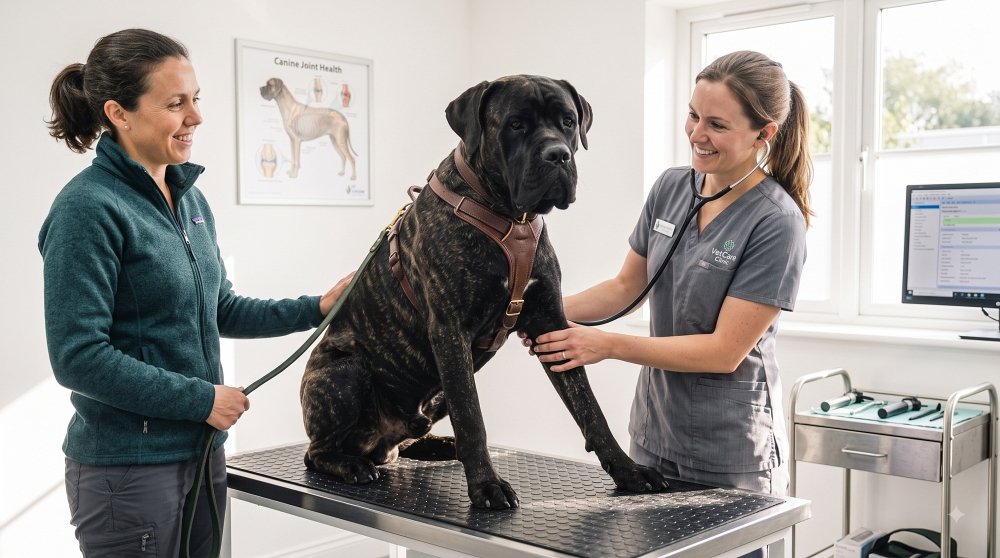
Like many large, deep-chested breeds, Cane Corsos are predisposed to several health conditions. This does not mean every Corso will develop them. It means prospective owners should know what to discuss with breeders and veterinarians.
1. Hip and Elbow Dysplasia
Hip and elbow dysplasia occur when a joint develops abnormally, potentially causing pain, reduced mobility, and arthritis. Reputable breeders should be able to provide OFA or comparable hip and elbow evaluation results for a puppy’s parents.
2. Dilated Cardiomyopathy
Dilated cardiomyopathy, or DCM, causes the heart muscle to weaken and the heart chambers to enlarge. This reduces the heart’s ability to pump blood effectively.
Large breeds may be predisposed to DCM, although reliable Cane Corso-specific prevalence data remain limited. Warning signs can include coughing, unusual tiredness, weakness, fainting, or labored breathing. These symptoms warrant prompt veterinary attention.
3. Gastric Dilatation-Volvulus
Gastric dilatation-volvulus, commonly called GDV or bloat, is a life-threatening emergency in which the stomach expands with gas and may twist, restricting blood flow.
Feeding multiple smaller meals instead of one large meal, slowing down fast eaters, and avoiding vigorous activity around mealtimes may help reduce risk. Owners can also ask their veterinarian about preventive gastropexy, a procedure that secures the stomach to help prevent it from twisting.
VCA Animal Hospitals’ guide to GDV provides a more detailed explanation of the condition and its treatment.
4. Eyelid and Eye Conditions
Entropion causes the eyelid to roll inward, while ectropion causes it to roll outward. Cane Corsos may also develop cherry eye, in which the gland behind the third eyelid protrudes. Surgery may be recommended when these conditions cause irritation, discomfort, or vision problems.
5. Demodectic Mange
Demodectic mange is caused by an overgrowth of skin mites. It commonly appears as patchy hair loss and may be seen in puppies whose immune systems are still developing. Veterinary treatment is important when the condition spreads or becomes infected.
This information is intended to help owners recognize potential concerns, not diagnose them. Any troubling symptoms should be evaluated by a veterinarian who can examine the dog directly.
Cane Corso Diet and DCM Risk
The possible relationship between diet and DCM deserves attention because the Cane Corso is already a large breed with potential cardiac risk.
In 2018, the FDA began investigating reports of DCM in dogs eating certain diets, many of which were marketed as grain-free and contained high proportions of peas, lentils, other pulses, or potatoes.
The FDA stopped issuing routine updates in December 2022, explaining that reported cases alone could not establish a direct causal relationship. Research has continued, and the issue appears more complicated than whether a food simply contains grain. Ingredient combinations, formulation, nutrient availability, and the amount of pulses used may all matter.
The practical takeaway is not to panic over one ingredient. Choose food from a company that employs qualified veterinary nutrition professionals, meets established nutritional standards, and conducts appropriate feeding or formulation research. Avoid making a pulse-heavy boutique formula your dog’s long-term diet without discussing it with your veterinarian.
Because of the breed’s potential cardiac risk, mention nutrition and heart health during annual veterinary visits. Your veterinarian may recommend additional testing if a murmur, irregular rhythm, reduced stamina, or other concern is detected.
How to Train and Socialize a Cane Corso
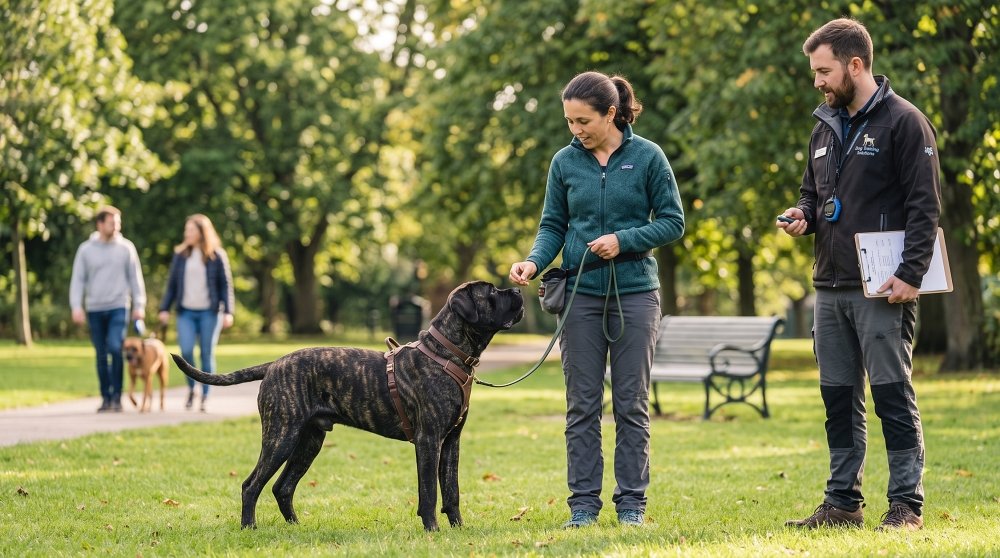
Training a Cane Corso successfully comes down to three connected priorities: socialization, structure, and stimulation.
1. Start Socialization Early
The AKC’s puppy socialization guidance identifies the first few months of life as a particularly important developmental period. Positive exposure to different people, sounds, surfaces, environments, and vaccinated dogs helps puppies learn that unfamiliar experiences are not automatically threatening.
Socialization does not mean allowing everyone to touch the puppy or forcing interactions. The goal is to help the dog remain calm and responsive around unfamiliar situations.
2. Establish Consistent Structure
Household rules should begin on the first day. Use positive, reward-based training and avoid punishment-heavy or dominance-based methods.
Commands such as “leave it,” “drop it,” “place,” “stay,” and reliable leash manners are essential for a dog that may eventually weigh more than 100 pounds. Inconsistent rules can encourage boundary testing and make an already powerful adolescent dog much harder to manage.
3. Provide Mental Stimulation
Cane Corsos need mental work as well as physical exercise. Obedience training, scent work, tracking, structured games, and other controlled activities provide productive outlets for the breed’s working instincts.
First-time owners can succeed with a Cane Corso, but many benefit from working with a qualified professional trainer who has experience with large guardian breeds. Training should begin during puppyhood, not after unwanted behavior has already become established.
How Much Exercise Does a Cane Corso Need?
Most adult Cane Corsos need at least 45 to 60 minutes of purposeful activity each day, often divided into two or more sessions. Brisk walks, structured play, hiking, scent work, and obedience exercises can all contribute.
A bored or under-exercised Cane Corso is more likely to become destructive, pushy, or reactive. Exercise should provide structure and engagement rather than simply leaving the dog alone in a yard.
Avoid repetitive jumping, long-distance running, and other high-impact exercise while a puppy is still developing. Growth plates may not fully close until approximately 12 to 18 months, and complete physical maturity can take even longer. Ask your veterinarian when your individual dog is ready for more demanding activity.
Cane Corso Grooming and Daily Care
The Cane Corso’s coat is relatively easy to maintain. Brush it weekly during most of the year and more frequently during seasonal shedding. Occasional baths are usually sufficient unless the dog becomes particularly dirty.
Check the ears weekly for redness, odor, moisture, or debris. Trim the nails regularly because overgrown nails can affect movement and place additional strain on the feet and joints of a heavy dog. Regular dental brushing should also be part of the routine.
Daily care extends beyond grooming. Feed measured portions, use a slow-feeder bowl if the dog eats too quickly, and maintain a quiet period around meals because of the breed’s bloat risk.
Is a Cane Corso Right for You?
A well-raised Cane Corso can be an exceptionally loyal and affectionate family companion. Many owners describe their bond with the breed as unusually close. However, the Cane Corso’s size, strength, independence, and protective instincts make it unsuitable for many households.
Consider another breed if you cannot provide consistent training and exercise, have limited space, regularly leave the dog alone for long periods, or are uncomfortable managing a dog that may be suspicious of unfamiliar people and animals. Families with young children must also be prepared to supervise every interaction because even friendly play from a dog this powerful can accidentally cause injury.
The Cane Corso may suit you if you have experience with large or strong-willed dogs, can invest heavily in early socialization, and want a protective companion that remains closely connected to its family.
If you are comparing large guardian breeds, the German Shepherd Dog breed guide can help you compare their temperaments, exercise requirements, and training demands.
Once you have decided that a Cane Corso fits your home, browsing these male dog names and female dog names can help you find a name that suits such a distinctive dog.
Final Thoughts on the Cane Corso
Bringing home a Cane Corso is a serious decision, and it should feel like one. This breed needs thoughtful socialization, firm but fair structure, daily physical and mental activity, and an owner capable of managing a large guardian dog responsibly.
For the right owner and household, however, the Cane Corso can be an exceptionally loyal, intelligent, and affectionate companion. The strength of that relationship reflects the time, consistency, and care invested from the beginning.
Click Here to Add SmartPawLife as a Trusted Source Add as a preferred source on Google